
Atlanta, GA · Commercial plumbing
Commercial Plumbing Installation in Atlanta, GA: Restaurants, Offices, Retail and Multifamily Buildings
A restaurant with a slow grease line, a retail suite being built out, an apartment building with repeated clogs or an office with a failing water heater all need a plumber, but the questions are not the same as at a house. Who owns the line, who pulls the permit and what the plumber is licensed to work on come first. Our dispatch line passes commercial calls to a plumber serving your part of the city.
Say the type of building, the problem and whether you are the owner or a tenant. The dispatcher sends the call to a plumber who serves Atlanta.
Call now- Your ZIP code and the type of building.
- Owner, tenant or property manager.
- What failed, and whether any tenants are affected.
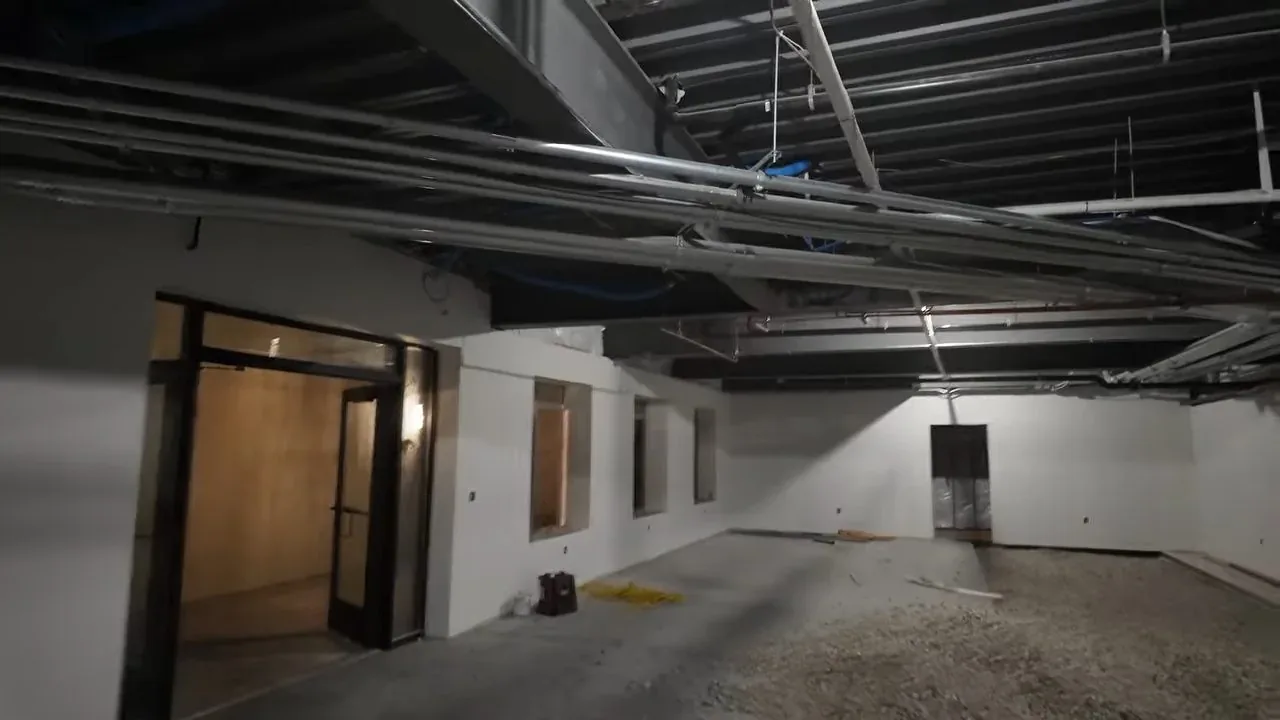
Repair or tenant improvement: when the work needs plans and a permit
A repair puts a failed part back. A tenant improvement changes the plumbing: new fixtures, a new kitchen line, moved walls. The second kind is reviewed before work starts.

The City of Atlanta Office of Buildings, in its commercial review guidance, asks for mechanical, electrical and plumbing plans to be submitted separately by discipline, and for the suite or floor on the project address to match the building permit. Ask who prepares and submits the plan sheets, and get the building permit number before the plumbing review. The guidance document found is dated 2016, so confirm the current form with the Office of Buildings.
Other cities have their own review process. This page makes no statement about plan review outside the City of Atlanta.
Landlord or tenant: who owns the line and who calls
A lease decides which party handles which part of the plumbing. In a multi-tenant building the landlord usually owns the main stacks, risers and shared lines, and the tenant owns what serves the suite. The lease may say otherwise.
- Read the lease section on building systems and repairs before calling.
- Tell the property manager first when a backup could affect other tenants.
- Keep a record of who authorized the work and who is paying.
- Ask the plumber to note on the invoice which line the work was on.
In a lease with a shared-systems clause, the landlord may require that only certain plumbers work on building lines. Ask the property manager for the approved list before booking, since an unapproved plumber can create a dispute even if the work is correct. Keep the work order and the invoice together with the lease.
Restaurants and commercial kitchens: grease traps and food service drains
Food service drains carry fats, oils and grease. They cool, stick and build into blockages, which is why restaurants have grease traps or interceptors.
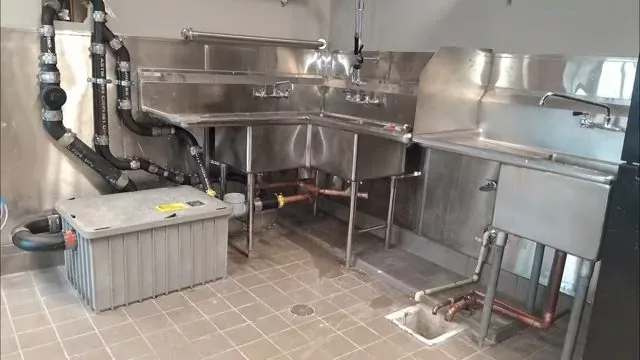
The Atlanta Department of Watershed Management runs a Grease Management Program that sets permitting, maintenance and monitoring requirements for facilities that discharge fats, oil and grease into the City's wastewater system; questions and violations go to 404-546-1503. Ask the plumber which equipment the program expects for your kitchen and who keeps the pumping records. The program applies only to facilities that discharge into the City of Atlanta system, and other cities have their own.
Kitchen exhaust and hood grease are a separate cleaning trade, not plumbing.
Ask for the pumping and cleaning records to be kept in a binder at the site, with dates and the name of the hauler. Inspectors and the City program ask for them, and a gap in the records is a reason for a violation even if the trap is working. Tell the plumber about any change in the menu or volume, since frying more increases the grease load.
Is the plumber licensed for this building?
Georgia requires a state license to engage in the plumbing business. The Georgia Secretary of State's Division of Master and Journeyman Plumbers issues them. License details are available on request before work begins, and you can check them with the Secretary of State's license search.
The Secretary of State's FAQ explains that a Master Plumber Class I license is limited to single-family dwellings, one-level dwellings for not more than two families, and commercial structures not exceeding 10,000 square feet. Class II has no such restrictions. For a commercial job, ask which class the plumber holds and whether it covers the size of the building.
This page states no license number, because it does not publish plumbers' credentials.
Ask for the license details before work begins, as the footer disclosure on every page of this site says is available on request, and keep the answer with the job file. For a building near the 10,000 square foot line, ask the plumber to say in writing which class applies and why, so a later inspection does not turn up a mismatch.
Maintenance plans compared with call-outs
A maintenance plan schedules checks on a building's plumbing: water heaters, grease equipment, floor drains and fixtures. A call-out means you call when something fails.
Plans make sense where failures cost money, such as in a restaurant or a multifamily building. Ask what is checked, how often, what is recorded and how a failure between visits is handled. Do not rely on a promised response time unless it is written down.
| Question | Maintenance plan | Call-out |
|---|---|---|
| Who starts the work | Scheduled by the plumber | You call when something fails |
| What is recorded | Checks and readings each visit | Only the repair |
| Best suited to | Kitchens, multifamily, buildings with many fixtures | Small offices, low-use space |
| What to ask | What is included and how often | Whether the plumber is available at short notice |
Water heaters, drains and pipe repair in commercial buildings
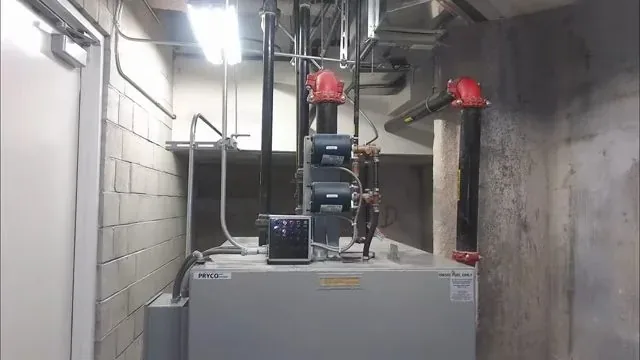
Commercial water heaters are larger and are often tied to recirculation loops. A failure can leave a kitchen or a building without hot water; ask whether a replacement can be sized and delivered quickly. See the water heater repair page for the tank basics.
Drain cleaning in a commercial building runs on bigger lines and can involve a camera and jetting. Slab and underground pipe repair, a burst pipe or an industrial sewer problem is a larger job, and the plumber should explain access, shutdowns and who handles the surface repair. See drain cleaning and mainline sewer problems for method detail.
Leak detection in a commercial property uses the same tools as at home, scaled up: hidden leak location explains the methods.
Multifamily, apartment and light industrial properties
Apartment buildings, light industrial space and cold storage have their own concerns: shared risers, many fixtures on one line, floor drains and process water. A repeated clog on a shared stack calls for a camera and a decision about replacement.
Tell the dispatcher how many units or tenants the plumbing serves and whether water can be shut off to part of the building without affecting others.
Safety: If water is reaching electrical equipment or a panel, keep people away from it and call from a dry spot. Gas smells go to 911 or the gas utility first.
A shared stack serves several units, so one clog can show up in the lowest unit first. Ask the plumber to find the stack on the plans and to say which units drain to it, then notify those tenants before the work begins. A written notice with the date and the water shutoff window avoids complaints later.
Questions about commercial plumbing in Atlanta
Do commercial plumbing changes need a permit?
Tenant improvements with plumbing changes in the City of Atlanta need plan sheets and a building permit number before plumbing review. Ask who submits them. Other cities differ.
What does a restaurant need for grease?
The City runs a Grease Management Program for food service facilities that discharge into its system. Ask the plumber what equipment it expects for your kitchen.
Is the plumber licensed for my building?
Georgia licenses plumbers by class. Class I is limited to certain building types and a 10,000 square foot limit on commercial structures. Class II is not.
Who pays for a plumbing repair in a leased space?
The lease decides. Read the section on building systems, and note on the invoice which line the work was on.
Do you offer maintenance plans?
Plans are set up with the plumber who serves your building. Ask what is included and how often visits happen.
Related building and drain pages
Drains
See commercial and restaurant drain cleaning for cable and jetting.
Water damage
Restoring a flooded building covers extraction and drying.
Water heaters
Replacing a larger heater covers sizing and venting.
Commercial plumbing problem in Atlanta? Call the dispatch line to reach a plumber serving your area.
CALL (770) 588-0011