
Atlanta, GA · Drain cleaning and clogs
Plumber for Drain Cleaning in Atlanta, GA: Slow Sinks, Clogged Toilets and Backups
A sink that drains slowly, a tub with standing water or a toilet that gurgles when the washer runs is telling you where the clog is. The first question is whether one fixture is affected or the whole house. Our dispatch line passes the problem to a plumber who serves Atlanta, and the answer to that question decides what kind of visit you need.
Say which drains are slow and whether more than one is affected. The dispatcher sends your call to a plumber who serves Atlanta.
Call now- Your ZIP code and which fixtures are affected.
- When it started and whether it comes and goes.
- Whether you already used a plunger or any drain product.
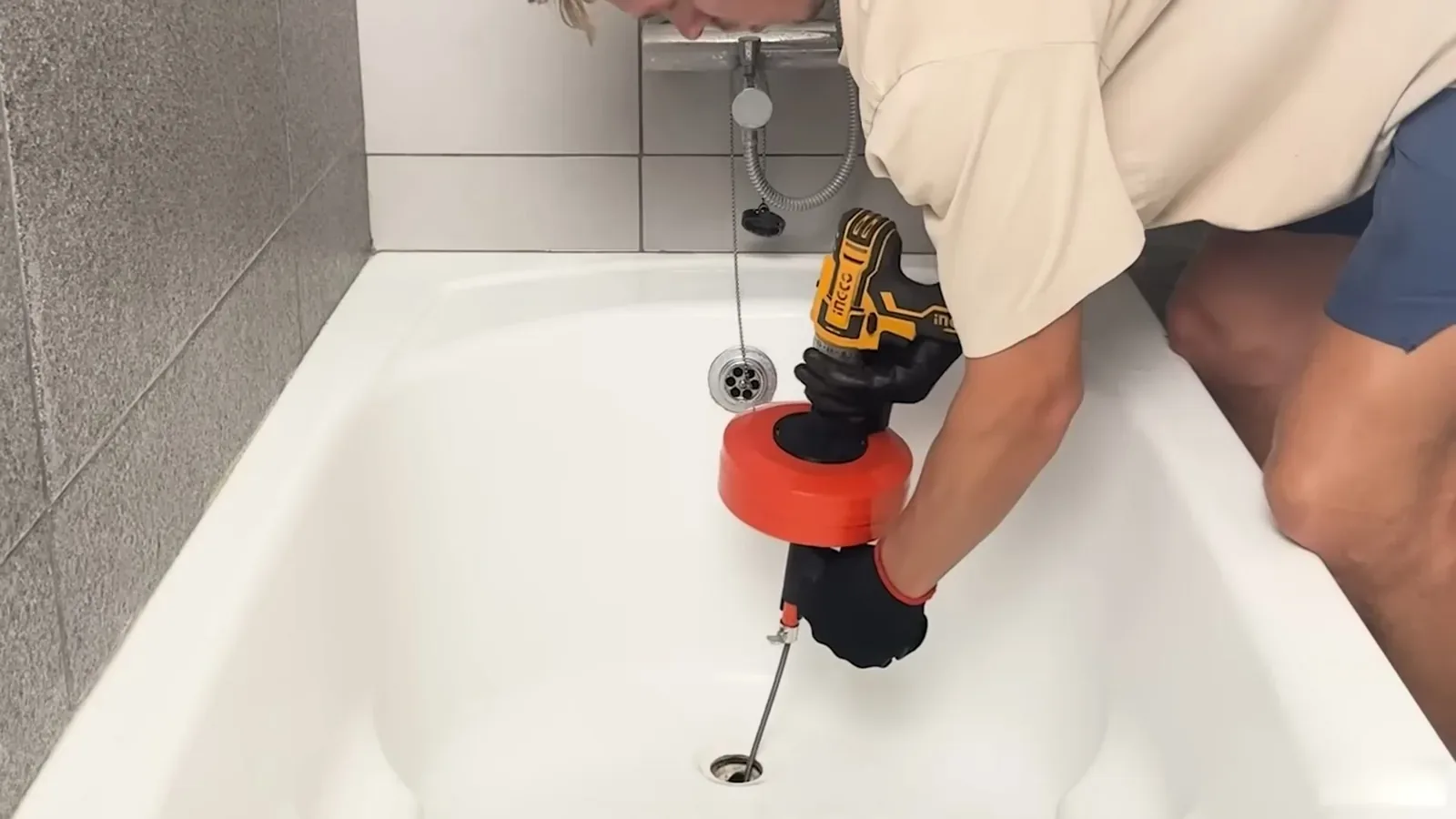
One fixture or the whole house? How to tell a branch clog from a main line problem
Every drain in a house joins a branch line, and the branch lines join the main drain that leaves the house. A clog in a branch affects one fixture or a group. A clog in the main affects everything below it. That split is the first thing a plumber will ask you.
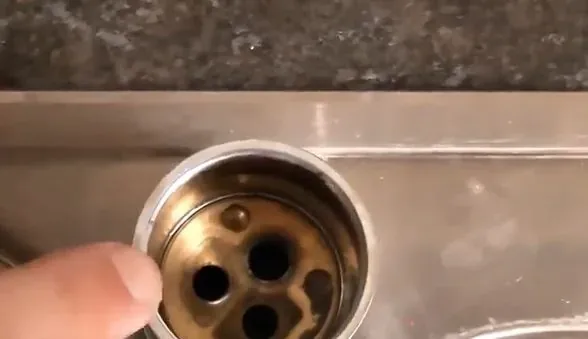
| What you see | Likely a branch clog | Likely a main line clog |
|---|---|---|
| Which drains are slow | One sink, tub or toilet, or fixtures on the same branch | Several fixtures, especially the lowest ones in the house |
| Gurgling | Only at the affected fixture | In a toilet or tub when you run the washer or flush another toilet |
| Water coming up | In the one fixture that is blocked | In a floor drain, a shower or a tub on the lowest level |
| Plunger result | Often helps for a few days | Little or no lasting effect |
| Next step | A cable or auger on that branch | A cable, jetting or a camera on the main line |
If several fixtures back up together and a plunger does nothing, treat it as a main line problem and stop using water until a plumber looks at it. Running the dishwasher or taking a shower sends more water into a blocked pipe.
What is drain cleaning, and what does the plumber actually do?
Drain cleaning means removing the blockage and, where it makes sense, checking why it formed. For a branch clog that is usually a cable; for a heavier or recurring blockage the plumber may suggest jetting or a camera look.
Calls from homeowners ask for the same few things: clear the clog, tell me whether it will come back, and let me know if something else is wrong. A good visit answers all three. The plumber should tell you what the clog was made of, such as grease, hair, paper or roots, since that points to the cause.
Before the visit ends, ask what the clog was made of, how far down the line it sat, and whether the plumber ran water afterward to confirm the drain moves freely. A drain that tests clear but is still slow points to a second problem further along.
Snaking, rooter and auger service: when a cable is enough
A cable, sometimes called a snake, auger or rooter machine, is a flexible steel line with a cutting or hooking head. The plumber feeds it into the drain, breaks up or hooks the blockage and pulls it out. It is the standard tool for clogs in a single sink, tub, shower or toilet branch.
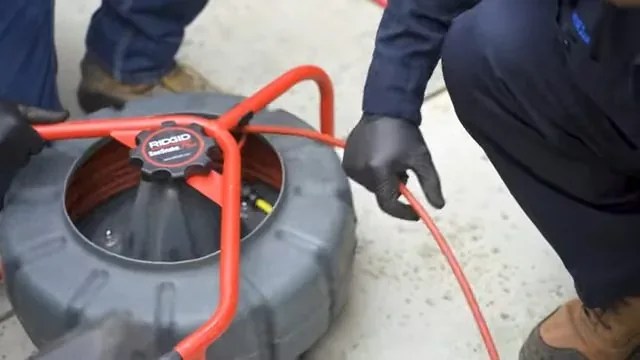
Cables clear the opening through the clog. They do not always remove the film of grease or scale on the pipe wall, which is why a drain can clog again within months. If the same drain keeps clogging, ask for a camera look instead of another cable pass.
Residential drain cleaning covers clog removal and unclogging for sinks, tubs, showers, toilets and floor drains, mainline drain cleaning and snaking for the line that leaves the house, and hydrojet services for heavy buildup. A maintenance plan makes sense for a line that has clogged repeatedly, and a basement drain repair follows a camera check that finds damage.
- Kitchen sink: grease and food scraps are the usual cause, and the clog often sits a few feet past the trap.
- Bathtub or shower: hair and soap scum combine in the trap and the first section of pipe.
- Toilet: paper and flushed items; a closet auger works through the toilet itself.
- Floor drain: debris and, in some cases, roots from outside.
- Tree roots: roots work in through pipe joints and cause repeat mainline clogs; a camera shows them and a cutting head clears them.
Exterior drainage, such as French drains, yard drains and storm drains, belongs to a drainage contractor rather than a plumber's drain cleaning visit. Persistent drain odors despite cleaning point to a venting problem or a damaged pipe, so ask for a camera look.
If a section has failed, the repair is a cut-and-replace of that section, or a liner where the pipe is otherwise in place. Ask what the damaged pipe looked like on camera and how far from the cleanout the damage sits.
Hydro jetting: how it differs from snaking
Hydro jetting uses a hose and a nozzle that shoots water at high pressure to scour the inside of the pipe. It removes grease, scale and sludge from the wall rather than boring a hole through it, so it fits recurring clogs and main lines with heavy buildup.
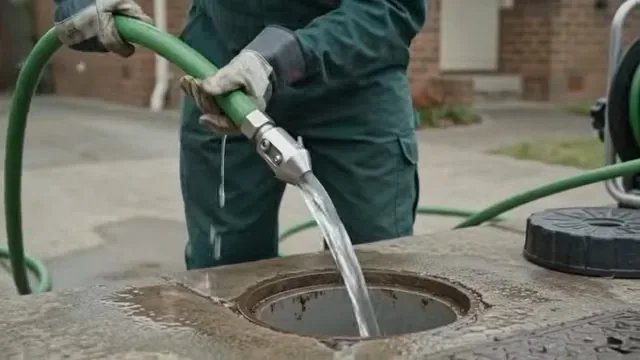
It is not right for every pipe. Fragile or cracked pipe can be damaged by high pressure, and a camera check first shows whether the line is sound. Ask the plumber whether the pipe was inspected before jetting, and what the camera showed.
The comparison most homeowners want is simple. A cable opens a path through a clog. Jetting cleans the pipe. The right choice depends on what the camera or the clog itself shows, and a plumber who recommends jetting for a one-time sink clog should explain why.
Clogged, slow or backed up: the kitchen sink and the main line
The kitchen sink drain
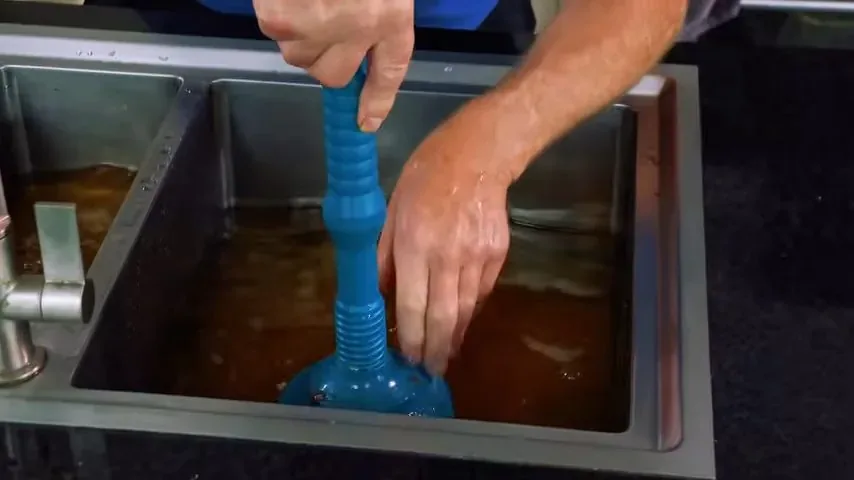
Cooking grease cools and sticks to the pipe wall, then catches food scraps. Kitchen drains clog more often than any other fixture for this reason. Running hot water after greasy dishes helps a little; pouring grease down the drain does not.
The main line
A clog in the main drain shows up as a backup in the lowest drains first. If the blockage is in a section that belongs to the public sewer rather than the house, the fix is outside your property. If you suspect the public main, ATL311 (404-546-0311) is the City's contact for sewer problems. The plumber checks the private side and tells you whether the blockage is yours or the utility's.
If sewage is coming up into a tub or floor drain, stop all water use and call right away. Avoid contact with the water, and keep children and pets away from the area.
Safety: Never mix drain cleaners, and tell the plumber if you used any. Some products react with each other and with cleaning chemicals, and they can splash back onto skin or eyes.
Drain pipe repair: cast iron and older drain lines
The pipe material depends on when the house was built. Older homes can have cast iron drain pipe that roughens and scales on the inside, while newer houses are more likely to have plastic drain pipe.
A drain that clogs repeatedly, a sagging section that holds water, or a stain on a ceiling under a bathroom can point to a damaged section rather than a simple clog. A camera look shows cracks, offsets and scale. If a section has failed, the choice is a repair or replacement of that section; a larger failure leads to the sewer line repair page. Ask the plumber to show the camera footage, and to say whether the problem is one section or the whole run, since that decides between a spot repair and a longer replacement.
What to have ready, and what is safe to try first
A short list helps the plumber arrive prepared.
- Which fixtures are affected and when it started.
- Whether the problem comes and goes, or is constant.
- Anything that went down the drain beforehand, such as grease, wipes or a toy.
- Any products you already used, so the plumber can protect hands and eyes.
- Where the cleanout is, if you know.
A plunger and a small amount of hot water are safe first steps for a single fixture. A hand-cranked drain cable from a hardware store can work on a sink trap but can scratch a tub or push a clog deeper. When several drains are slow together, skip home remedies and call.
One-line extras: restaurant and commercial kitchen drains with grease are covered on the commercial plumbing page; drain odors usually come from a dry trap, a blocked vent or a partly clogged pipe, and a camera check can separate them.
Questions about drain cleaning in Atlanta
What is the difference between snaking and hydro jetting?
A cable opens a path through a clog. Hydro jetting scours the pipe wall with high-pressure water to remove grease, scale and sludge. Jetting fits recurring clogs and heavier buildup, after a camera check shows the pipe can take the pressure.
Why does my drain keep clogging after it was cleared?
A cable can leave a film on the pipe wall that catches the next round of debris. Grease, roots, a sagging section or a damaged pipe also cause repeat clogs. Ask for a camera inspection if the same drain clogs within a few months.
Can I use drain cleaner before calling a plumber?
It is better not to. Chemicals do not clear every blockage, they can damage some pipe, and leftover product in standing water can injure whoever works on the drain next. A plunger is the safer first step for one fixture.
When is a clog a sewer line problem?
When several fixtures back up at once, the lowest drains fill first and a plunger does not help. A camera on the main line shows whether the blockage is a clog, roots or a damaged pipe.
How do I stop kitchen drain clogs?
Keep grease and food scraps out of the sink, wipe pans before washing and use a strainer. Grease poured down a drain cools and sticks to the pipe wall.
Do toilet clogs need a plumber?
Not always. A plunger clears many. If it clogs often, if several fixtures are affected or if water is rising, call a plumber.
Related drain and fixture pages
Main line problems
When a backup reaches the whole house, sewer line repair and camera inspection explains the next steps.
Leaks
A drain that is wet under the sink may be a leak: see the leak detection page.
Fixtures
Running toilets and dripping faucets are covered on the page for faucet and toilet repair.
Slow drain or backup in Atlanta? Call the dispatch line to reach a plumber serving your area.
CALL (770) 588-0011