
Atlanta, GA · Repiping and pipe repair
Emergency Repiping in Atlanta, GA: Burst Pipes, Frozen Pipes and Whole-House Pipe Replacement
Water spraying from a wall, a pipe that froze overnight, or the third pinhole leak this year all raise the same question: repair this section, or replace the pipe. Burst and frozen pipe calls are answered 24/7 by our dispatch line, which hands them to a plumber working your part of Atlanta. This page covers what to do first and how the larger decision is made.
Tell the dispatcher whether water is running, where, and whether you have shut the main. The call goes to a plumber who serves Atlanta.
Call now- Your ZIP code and where the pipe failed.
- Whether the main is closed.
- What the pipe looks like: copper, gray plastic, galvanized steel.
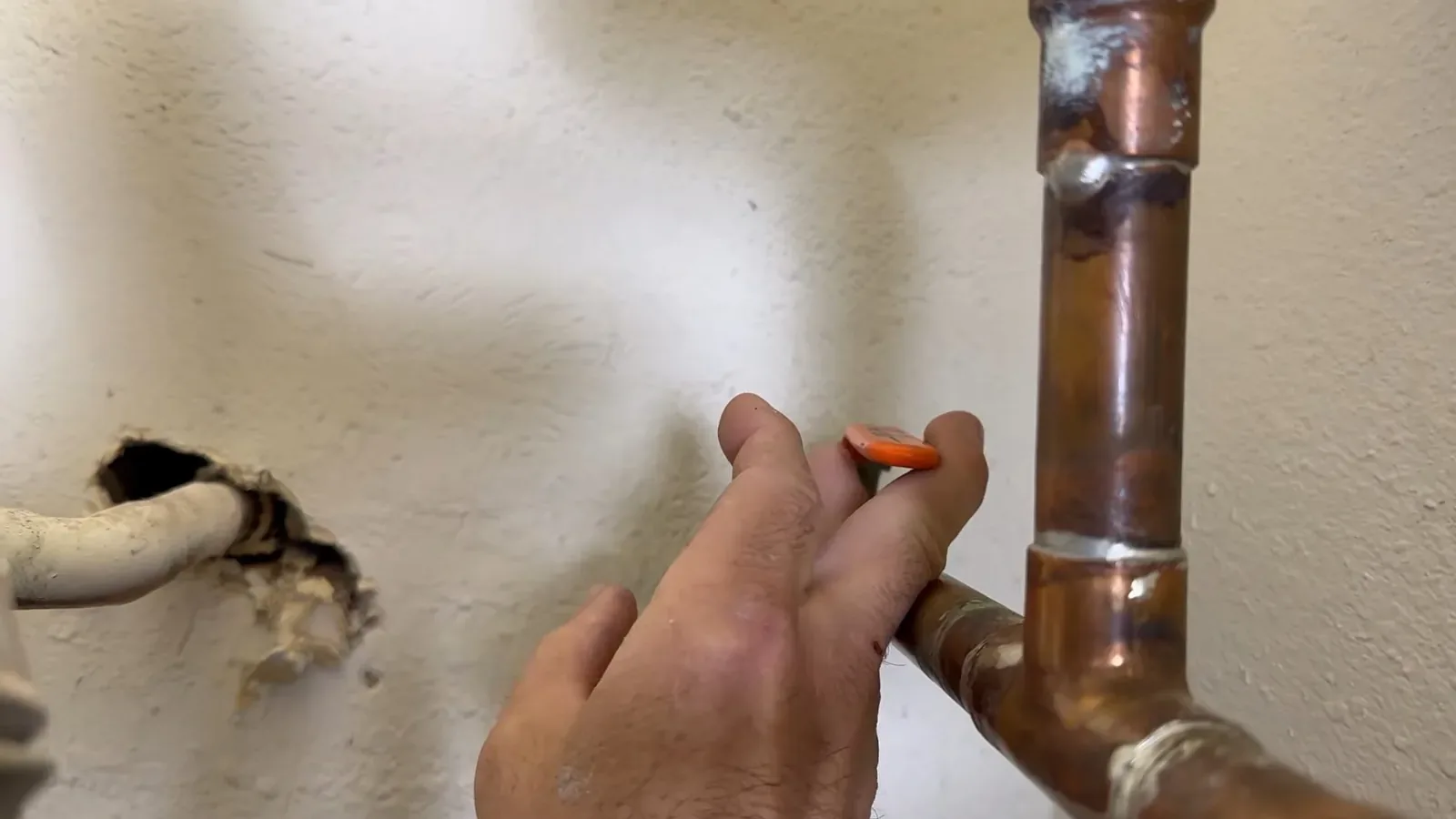
Burst pipe: stop the water first, then call
A burst pipe moves a lot of water quickly, so the order matters.
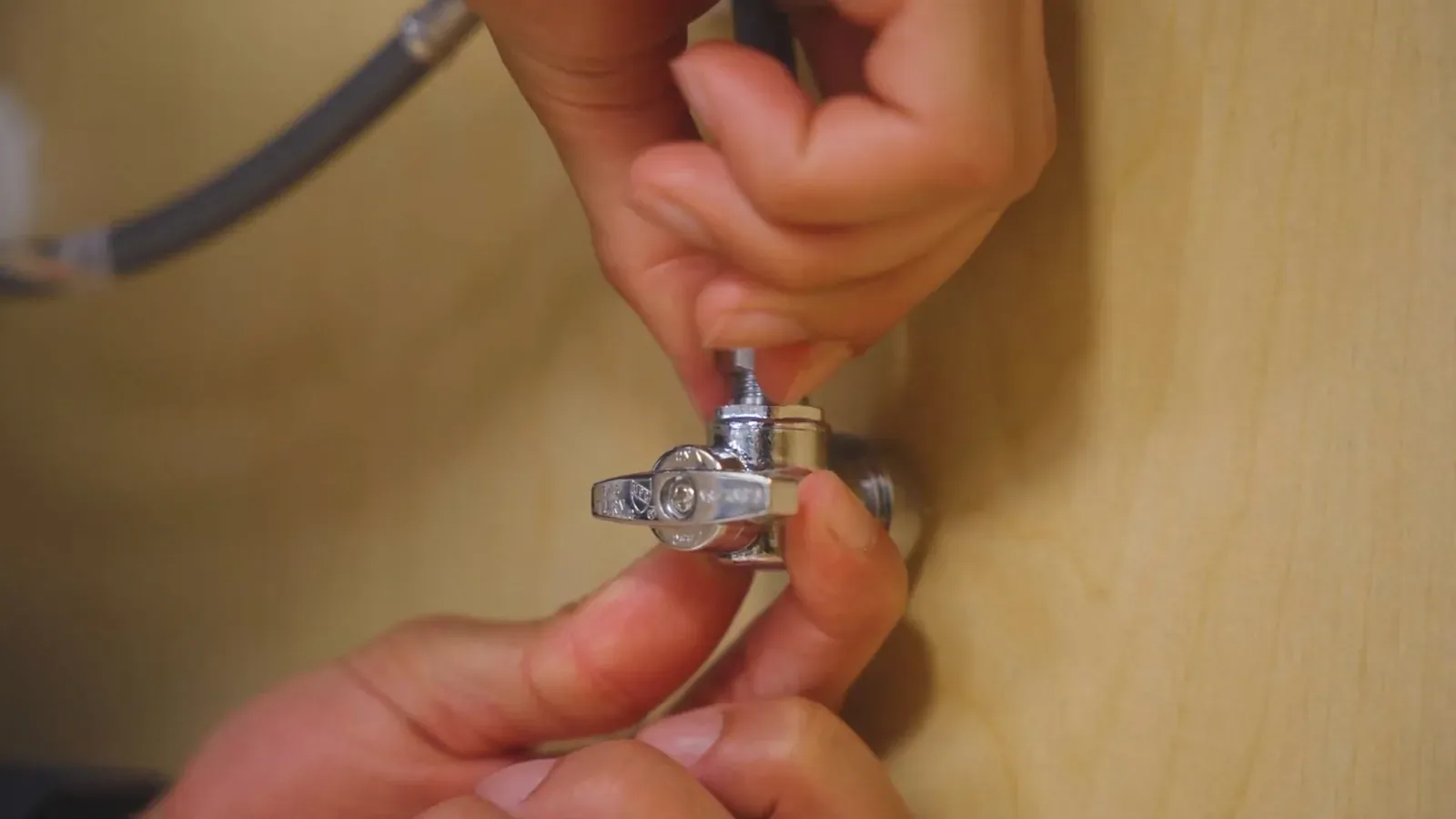
- Shut the house's main valve. If you cannot find it, close the meter valve at the curb.
- Open a low faucet to drain remaining water from the line, and switch off the water heater.
- Stay away from standing water around outlets and the panel.
- Call the dispatch line, which answers 24/7, and say where the pipe failed.
- Photograph the damage before you move anything.
Water already in walls or floors needs drying; the water damage restoration page covers extraction and drying once the pipe is shut off.
After the water is off, look at where the pipe failed and take a photo of the section. A split along the seam suggests freezing, a pinhole suggests corrosion, and a failed joint suggests workmanship or age. That detail helps the plumber decide whether to repair the section or look at the run it belongs to.
Frozen pipes: thaw safely and check for splits
Pipes in unheated spaces, along exterior walls and outdoors are the usual victims. Freeze risk is real: the National Weather Service lists March 20 as the typical last freeze at its Hartsfield-Jackson station. A frozen pipe may look intact until it thaws, and then split.
- Keep the faucet open a little so water can move as the pipe warms.
- Warm the pipe gradually with a hair dryer or warm towels, working toward the frozen spot from the faucet end.
- Never use an open flame or a torch.
- If no water comes out at all, or a pipe is bulging or split, close the main and call.
- Once the pipe thaws, look and listen for leaks at the frozen section before leaving the water on.
Pipe repair: when one fix is enough
One leak with sound pipe on either side is a repair. The plumber removes the damaged length and joins in new pipe, using a coupling or a soldered or crimped connection. Pinhole leaks in copper, a split from a freeze and a failed joint are all repairs of this kind.
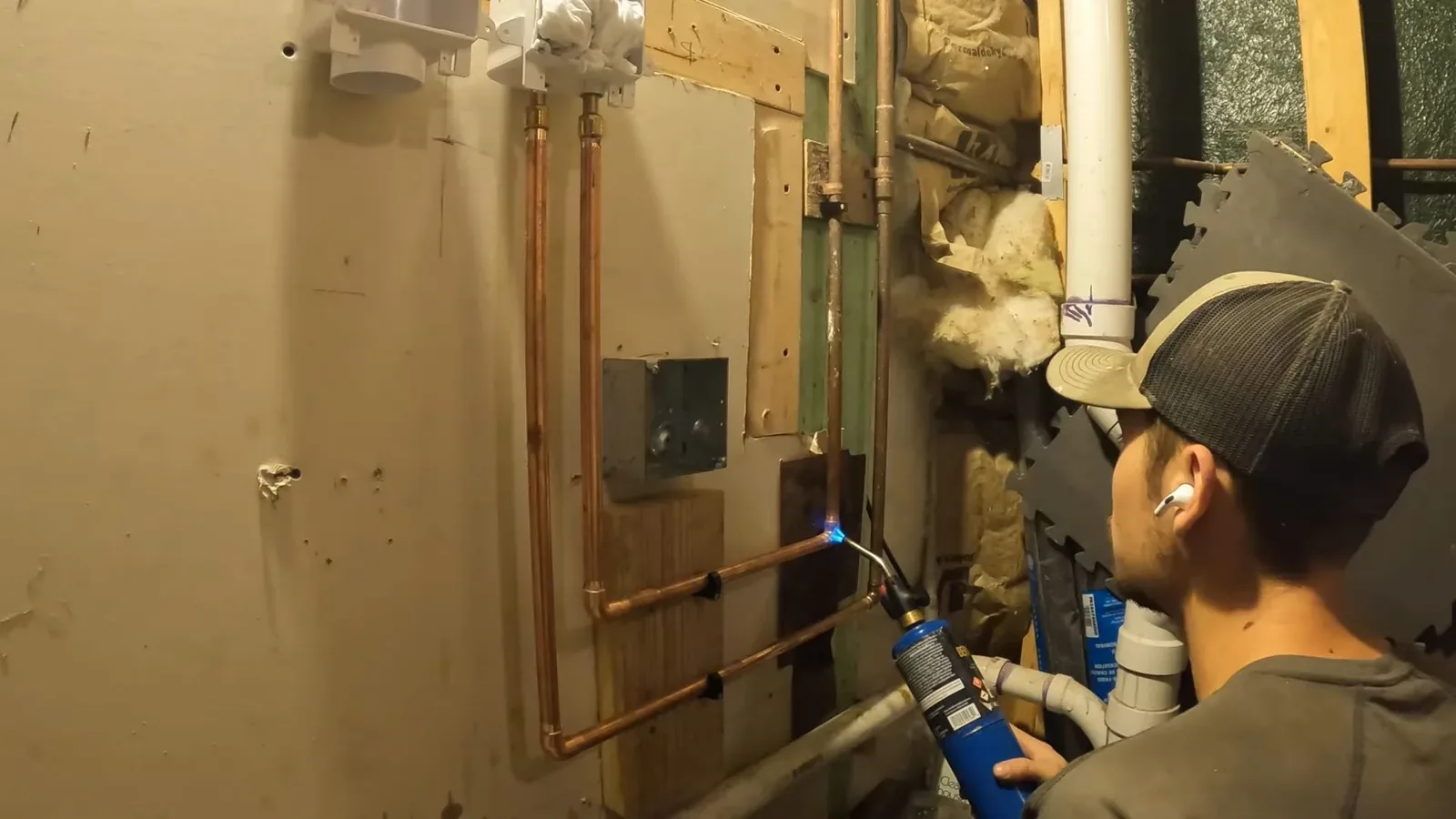
Ask the plumber to check the pipe on both sides of the repair, since premature failure of a section often shows up in its neighbors. If the metal around it is thin, pitted or green, a patch will hold for a short time and the next leak will appear nearby.
Repair materials matter. A copper line can take a soldered coupling or a crimped fitting; a plastic line takes its own fittings and should not be mixed with the wrong joint. Ask the plumber what was used and whether a different metal at the joint could set up corrosion later, which is a known cause of repeat leaks.
Repair or repipe: how many leaks is too many
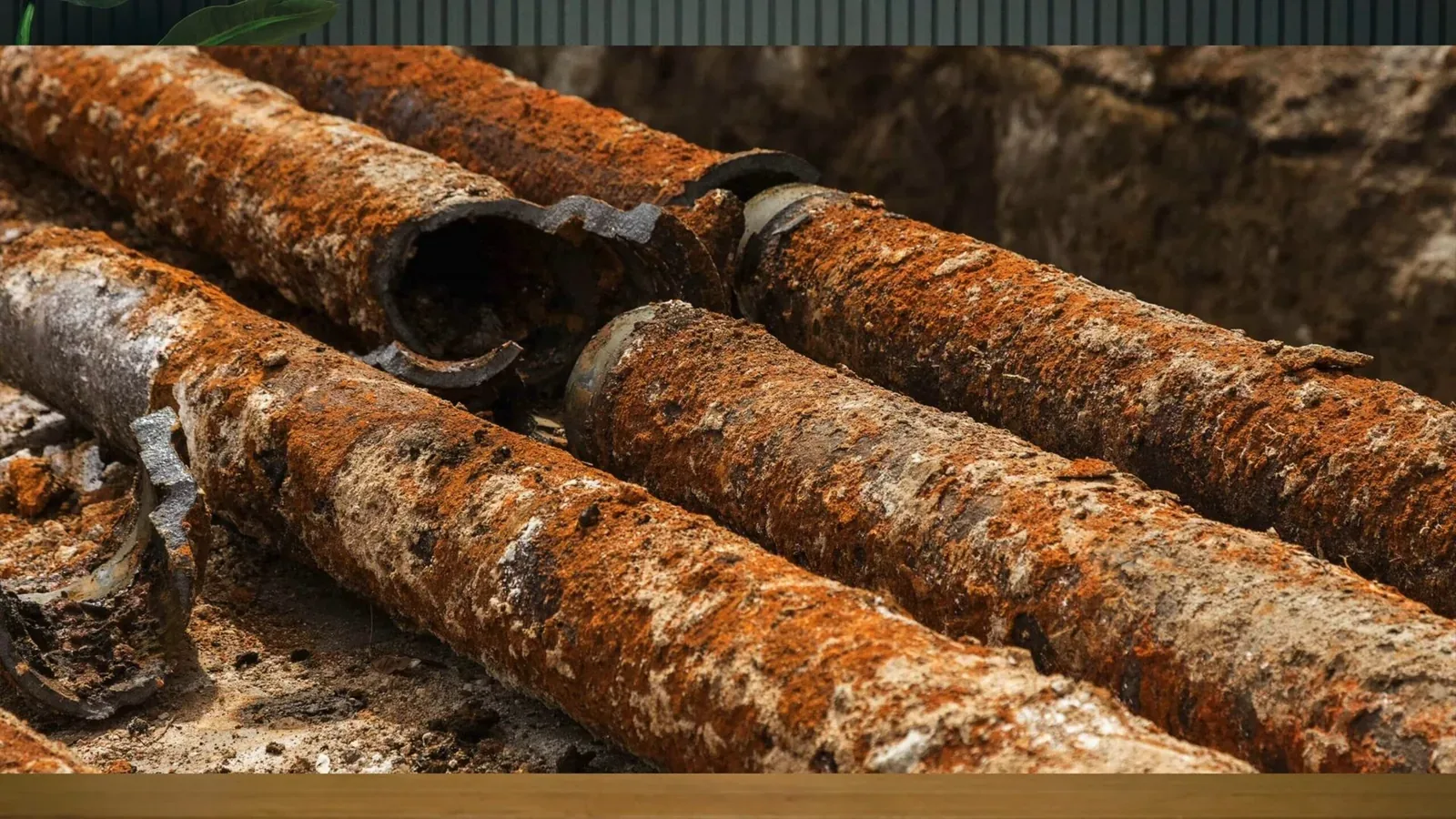
One leak is bad luck, and a leaky or broken pipe in one spot is a repair. Repeated leaks over a few years, discolored water, low pressure and visibly corroded pipe suggest the system is wearing out as a whole.
| What you see | Repair fits | Repipe fits |
|---|---|---|
| One leak, pipe otherwise sound | Yes | Rarely |
| Two or more leaks within a few years | Temporary | Often |
| Pinhole leaks in several rooms | Temporary | Often |
| Rusty water or low pressure throughout | No | Often, after checking the main and regulator |
| A pipe type known to fail | No | Yes |
Whole-house repiping replaces the supply lines with new pipe, usually copper, PEX or CPVC. Ask the plumber to explain why the material was chosen, how the walls will be repaired and how long the water will be off.
Which pipe do you have? Galvanized, copper, CPVC, PEX and gray plastic
The material tells you what to expect. Atlanta homes span many building eras, so a house can hold copper, galvanized steel, CPVC, PEX or a mix after earlier repairs.
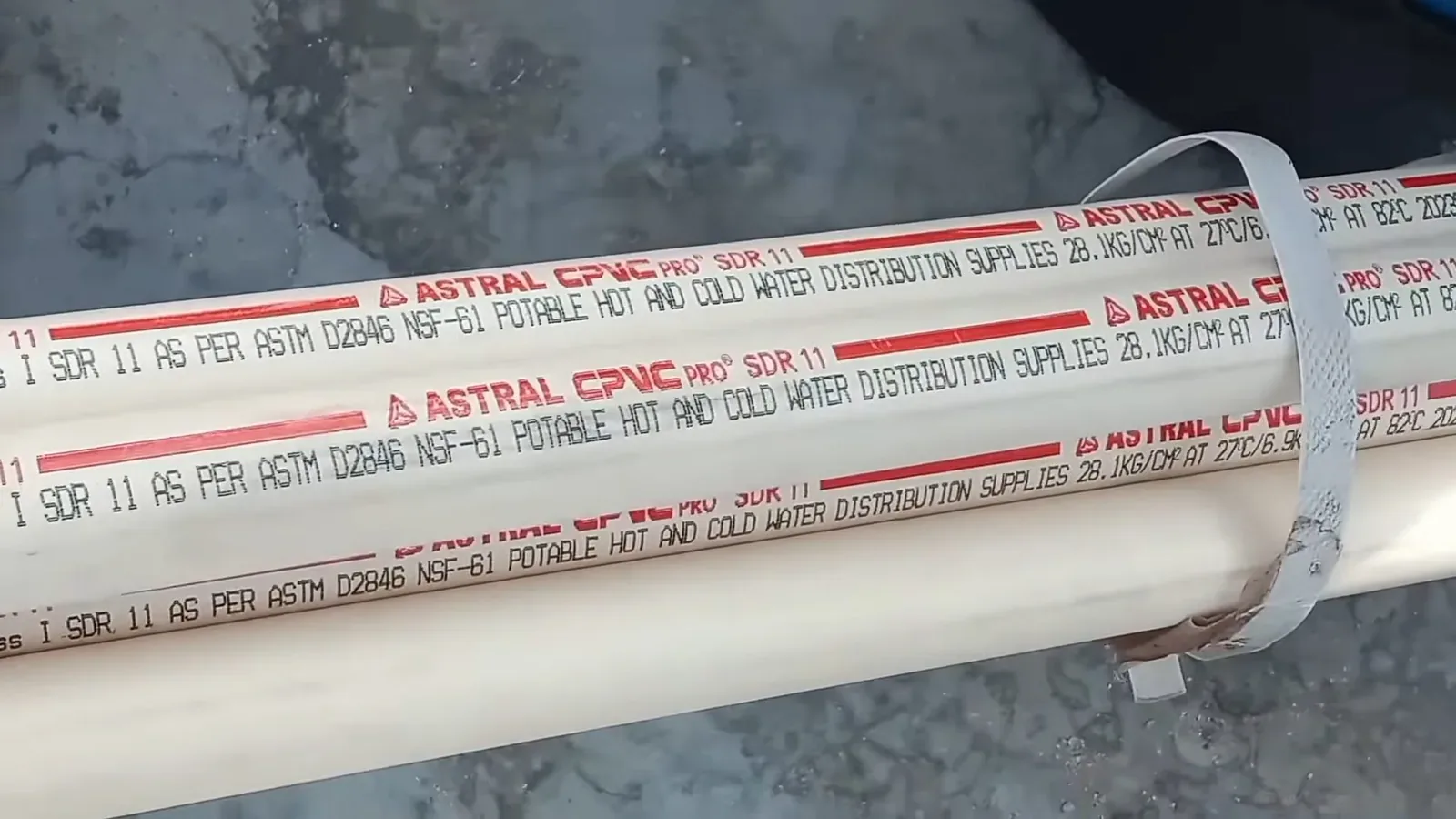
- Galvanized steel: gray, threaded pipe that corrodes from the inside and slowly narrows, causing low pressure and rusty water.
- Copper: reddish brown or green with age; prone to pinholes and, at times, to joint failures.
- CPVC: cream or pale yellow rigid plastic; can crack with age or heat.
- PEX: flexible plastic, usually red, blue or white, in newer work.
- Gray plastic pipe in older homes: it may be polybutylene, and some gray plastic systems are known to fail. Ask the plumber to identify it; this page states no install years for any local area.
The City says its service lines contain no lead, and it leaves private plumbing materials to the owner. What runs through your own walls is a separate question, so have the plumber name it before any repair or repipe is planned.
Pipes under the slab or underground
A line under a concrete floor or buried in the yard is harder to repair than one in a wall. Locating the leak comes first, and the choices are a spot repair, a reroute through the walls or attic, or replacement. The leaks under a concrete floor covers the under-floor case and the water line page covers the yard.
Cast iron drain pipe and PVC are drain materials, not supply pipe. If the problem is a drain, the clearing drain pipe is the right place to start.
The decision on an inaccessible line is partly about the finished surfaces above it. Tile, hardwood and built-in cabinets raise the cost of opening a floor, which makes a reroute through an attic or wall more attractive. Ask the plumber to compare a floor repair with a reroute in writing before work starts.
Permits, the plan and what to ask before repiping starts
At a City of Atlanta address, the Office of Buildings reviews replacement plumbing for one and two family homes, so ask the plumber who pulls the permit. Swapping a fixture in an existing kitchen or bathroom is exempt, but replacing piping is a different case. Other cities set their own rules.
- The new pipe material and why it was chosen.
- Which walls and ceilings will be opened and who patches them.
- How many days the water will be off, and whether temporary water is arranged.
- Whether the plan covers every fixture or only part of the house.
- A written scope that lists what is and is not included.
Safety: If a pipe has failed near an outlet, panel or appliance, leave the area and call from a dry spot.
Questions about repiping in Atlanta
How can I tell that a house needs repiping?
Repeated leaks, rusty water, low pressure and visibly corroded pipe are the main signs. A plumber's inspection says whether repair or repiping fits.
Is a burst pipe covered by insurance?
Whether insurance pays depends on the insurer and the policy. Keep photos, the plumber's findings and receipts together.
Can frozen pipes be thawed without damage?
Often yes, if the thaw is gradual and the pipe is intact. A split only shows once the pipe thaws, so check for leaks as water returns.
What is the best pipe for a repipe?
Copper, PEX and CPVC are all used. The plumber should explain which suits the house and why.
Does repiping need a permit?
Within the city limits, replacement piping for one and two family homes is an Office of Buildings matter, so ask who applies.
Related pipe and water pages
Hidden leaks
The leak detection page covers the meter check.
After a burst
Drying and extraction handles the water that is already in the house.
Pipes in the yard
See water line repair and replacement for the meter-to-house line.
Burst or frozen pipe in Atlanta? Call the dispatch line, 24/7.
CALL (770) 588-0011