
Atlanta, GA · Water heater installation and replacement
Water Heater Installers in Atlanta, GA: Choosing Size, Fuel and Type Before the Swap
When a heater fails, the swap is quick; the choices behind it are not. Size, fuel, tank or tankless, and what the new unit needs from the space around it all shape the job. Our dispatch line hands your call to a plumber who covers your side of Atlanta, and this page lists the questions worth settling before the old heater comes out.
Say what type of heater you have now and what failed. The dispatcher sends your call to a plumber who serves Atlanta.
Call now- Your ZIP code and where the heater sits.
- Gas or electric, and the tank size on the label.
- How many people use hot water at the same time.
Replacing now or repairing: the first decision
Replacement is the answer when the tank itself has failed, when repair costs are piling up on an older unit, or when you are changing fuel or type. When a part has failed on an otherwise sound heater, repairing the heater instead can still make sense.
A heater that has begun leaking from the tank cannot be repaired. Shut off the cold water supply to it, switch off its power or set a gas control to off if you can do so safely, and call. A planned replacement before failure avoids water damage and a no-hot-water scramble.
Timing matters. A heater past its expected life that is still working is a candidate for planned replacement, since a scheduled swap lets you choose size and type instead of taking whatever is available after a failure. Ask the plumber what signs of age they see: rust at the fittings, scale at the drain valve, or moisture under the jacket.
Size and fuel: gas, electric, hybrid or heat pump
Size is not just tank gallons. The number that matters is how much hot water the house uses at the same time, in the morning rush for example. A tank that is too small runs out; one that is too large wastes energy keeping water hot.
| Type | How it works | What to ask |
|---|---|---|
| Gas tank | Heats stored water with a burner and vents through a flue | Venting, gas line size, combustion air |
| Electric tank | Heats stored water with elements | Circuit capacity, breaker size |
| Hybrid or heat pump | Moves heat from surrounding air into the tank | Space, airflow, condensate drain, noise |
| Tankless | Heats water on demand with no storage | Gas supply, venting, electrical, water quality |
Switching fuel costs more in labor than swapping like for like, because it can mean a new gas line, a new circuit or a different vent. Ask the plumber to separate the work that comes with the fuel change from the work that comes with the heater.
Tank, heat pump or on-demand: what each changes
A tank heater is the simplest swap: same footprint, same connections, similar behavior. A tankless unit saves floor space and removes the standby tank but usually needs bigger gas or electrical capacity and different venting; the how tankless units are installed covers it in detail.
A heat pump unit takes more space, needs airflow and a place for condensate to drain, and often makes some noise. It fits best in a large basement or garage rather than a closet.
Cost of ownership differs too. A heat pump unit draws less electricity than a standard electric tank, a tankless unit avoids the standby loss of a stored tank, and a standard tank has the lowest upfront effort and the simplest repairs. None of these figures is quoted here; ask each plumber to put the choices side by side for your house and your fuel.
Installation day: location, expansion tank and haul-away
A replacement visit has a predictable shape, though the details change with the house.
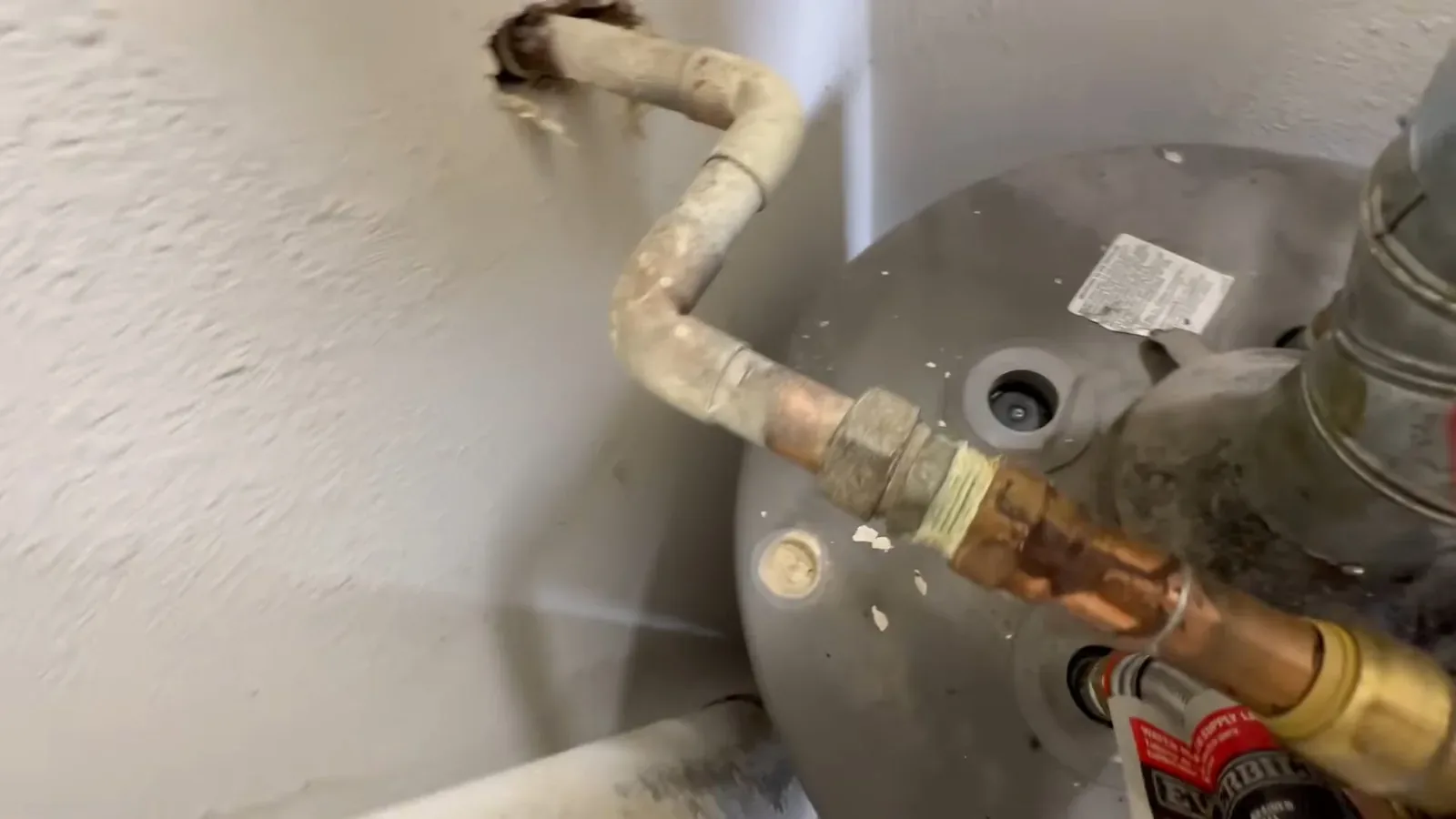
- Shut off the water, power or gas, and drain the old tank.
- Disconnect and remove the old heater, including the flue or vent on gas units.
- Set the new heater, and level it so it drains and vents correctly.
- Reconnect water, gas or electric, vent and the relief valve discharge pipe.
- Fill, purge air, test for leaks and combustion, and set the thermostat.
- Haul the old heater away and leave the area clean.
Ask whether the plumber will install an expansion tank. In a house with a check valve or a pressure-reducing valve on the supply, heated water has nowhere to expand, and an expansion tank gives it room. Ask where the relief valve discharge pipe will run, and whether the plumber hauls away the old heater.
This page states no permit rule for water heater replacement. Rules differ by city and by job, so ask the plumber what is required at your address and who handles it.
Venting and clearances: questions worth asking
Gas heaters need a safe way to carry exhaust out of the house and enough air for combustion. A closet with a louvered door, a garage with a vent and an attic installation each have different requirements.
- How the new heater will vent, and whether the existing flue can be reused.
- What clearances the manufacturer requires around the heater.
- Whether a drain pan and drain line are being added.
- Where the relief valve discharge will end.
- Whether the gas shutoff and a sediment trap are part of the work.
Anyone who notices a gas odor during or after the work should step outside first and call 911 or the gas company.
Safety: Never run a gas heater with its vent disconnected, and never store flammable liquids near the burner.
Replacement and repair work that comes with older homes
Many Atlanta homes have older water piping and older heater locations. A swap often exposes corroded shutoff valves, aged flexible connectors and old flue pipe, and the plumber may recommend replacing them while the area is open.
Ask which items are part of the heater swap and which are optional upgrades. A written scope, with each item on its own line, makes the difference clear and keeps the job comparable if you ask for a second opinion.
Point-of-use and under-sink units also exist for a single sink or a remote bathroom. They are small electric heaters that supplement a main unit rather than replace it.
Ask also about the drain pan and the floor under the heater. A heater above living space should sit in a pan with a drain, so a future leak goes outdoors rather than through a ceiling. If the old unit had no pan, it is a worthwhile addition while the heater is out of the way.
Questions about water heater installation in Atlanta
What size water heater do I need?
Size depends on how many people use hot water at once. A plumber can read the label on your current tank and ask about showers, laundry and dishwashers to choose between sizes.
Should I choose a tank or a tankless heater?
A tank is the simpler swap. A tankless unit saves space and removes standby loss but needs bigger gas or electric capacity and different venting. Ask the plumber what your house needs before deciding.
Does a replacement need a permit?
This page makes no statement about permits. Ask the plumber whether your address needs one and who handles it.
Will the plumber take away the old heater?
Many installers do, but ask first. It should be written in the scope along with the cost of any disposal.
How long does an installation take?
A like-for-like tank swap is often a matter of hours. Changing fuel or type takes longer. The plumber can give a time for your job.
Related heater pages
When a part has failed
Repairing elements, igniters and leaks is covered on its own page.
On-demand heaters
See tankless water heater options for gas, electric and venting.
Gas supply
New or resized gas runs are covered on gas line installation and repair.
Water heater down in Atlanta? Call the dispatch line to reach a plumber serving your area.
CALL (770) 588-0011