
Atlanta, GA · Slab leak detection and repair
Emergency Slab Leak Repair in Atlanta, GA: Detection, Spot Repair, Reroute or Repipe
A floor that feels warm under bare feet, a faint sound of water when everything is off, or a water bill that jumped with no explanation can point to a line under the floor. Our dispatch line hands the case to a plumber who works the Atlanta area, and active leaks are answered 24/7. This page explains what happens next.
Say what you feel or hear and whether the main is shut off. The dispatcher sends your call to a plumber who serves Atlanta.
Call now- Your ZIP code and which rooms feel warm or sound wet.
- Meter reading with everything off.
- Whether hot water is running low or the heater runs constantly.
Signs and symptoms: is it a slab leak?
A slab leak is a leak in a water line that runs under or inside a concrete floor. The lines are out of sight, so the signs show up in the house rather than at the pipe. Most of the signs also have other explanations, which is why the first job is to rule things out.
| What you notice | A slab leak is possible when | Another cause to rule out |
|---|---|---|
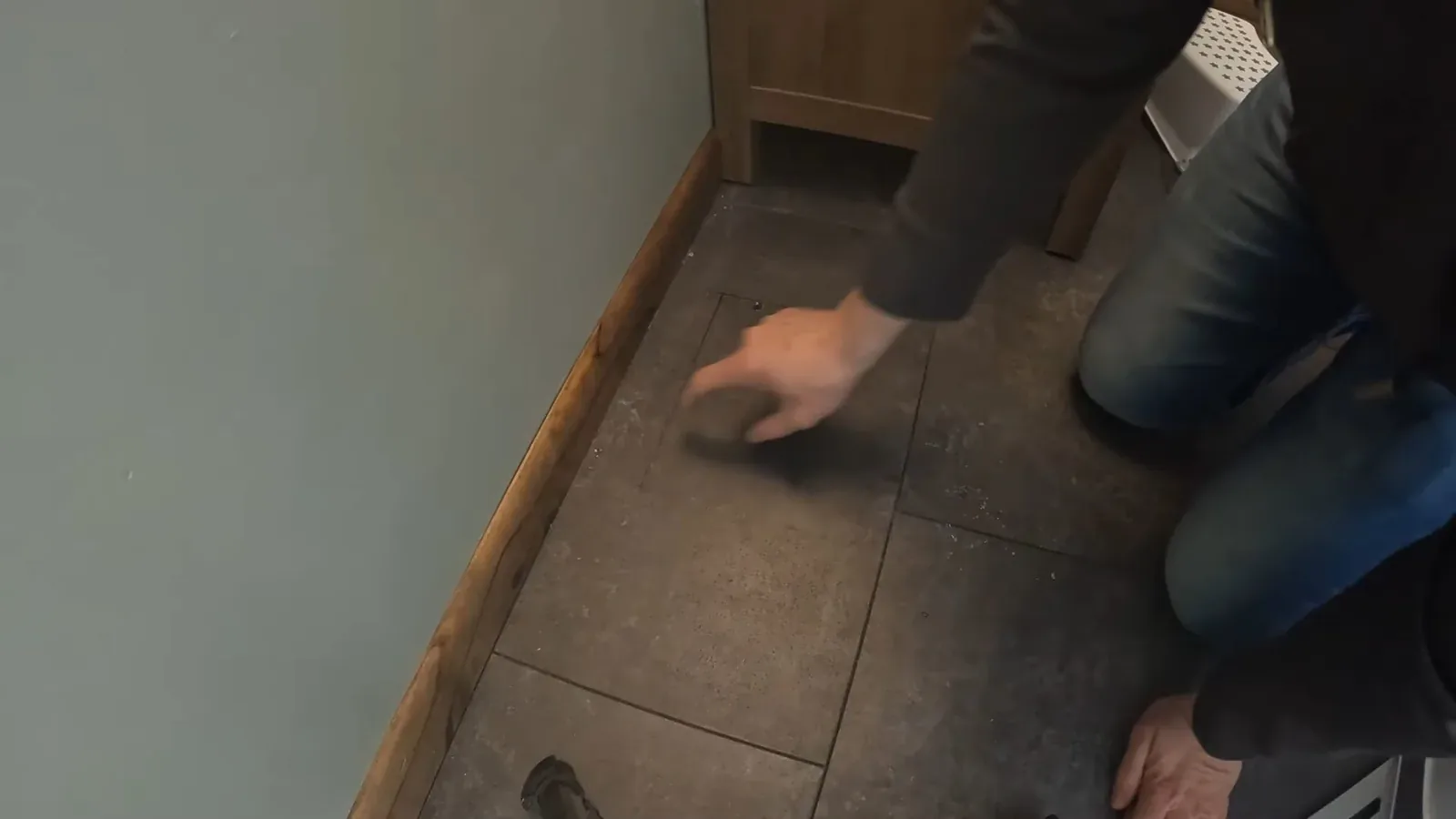
| A warm or hot spot on the floor | The spot stays warm when no hot water is running | Floor heating, sun through a window, a hot water line in the wall above |
| The sound of running water at night | It continues after every tap is closed | A running toilet, an ice maker, a failing valve |
| A jump in the water bill | The meter moves with everything off | Higher usage, an irrigation timer, a leaking fixture |
| Damp carpet, lifting flooring or a musty smell | The wet area has no visible source above | A roof or window leak, a drain leak, appliance overflow |
| Low water pressure or a heater that never stops | Hot water is weak but cold water is normal | Sediment in the water heater, a partly closed valve |
If the meter is moving with every fixture closed, follow the steps on the meter check for hidden leaks first. If the meter stops once the main is shut, the problem is inside; if it keeps running, it is on the line before the valve.
Slab leak detection: confirming the leak and locating it
Detection is a sequence, and each step narrows the search so that less of the floor has to be opened.
- Confirm water is leaking: the meter check, then a pressure test that isolates the hot and cold lines from each other.
- Identify the line: if only the hot side loses pressure, the leak is on the hot water line; a cold side loss points to the supply lines.
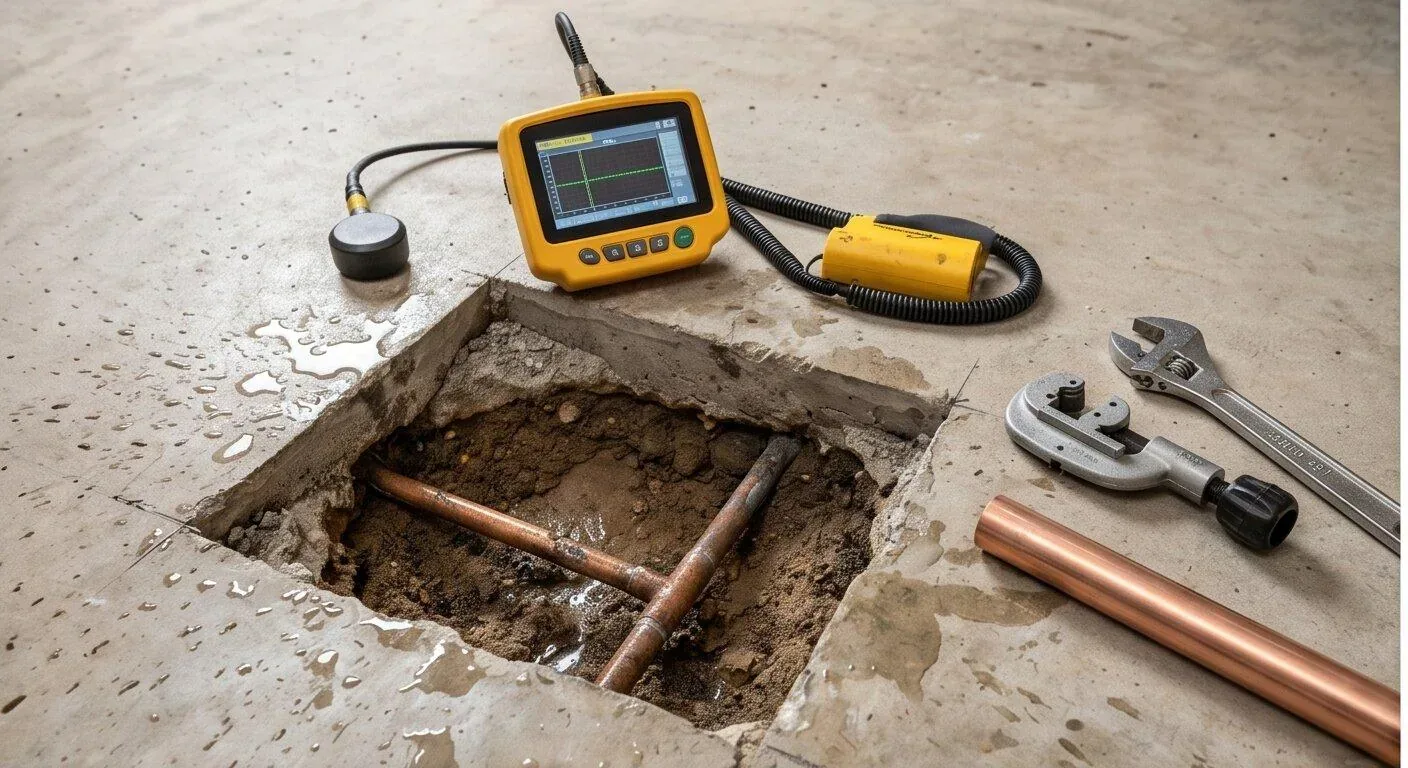
- Locate the spot: electronic and acoustic equipment pick up the sound or signature of escaping water through the floor. Thermal imaging helps on hot water lines.
- Mark the spot on the floor and photograph the markings before anyone cuts concrete.
What detection cannot tell you: Equipment narrows a location; it does not reveal the pipe's condition along its whole length. A second leak on the same line is common, which is why the plumber should test the line again after the repair.
Concrete slab plumbing repair: spot repair, reroute or repipe
Once the leak is found there are three ways to deal with it. The right one depends on the pipe's age and condition, how many leaks it has had, and what the floor is made of.
| Option | What it involves | When it fits |
|---|---|---|
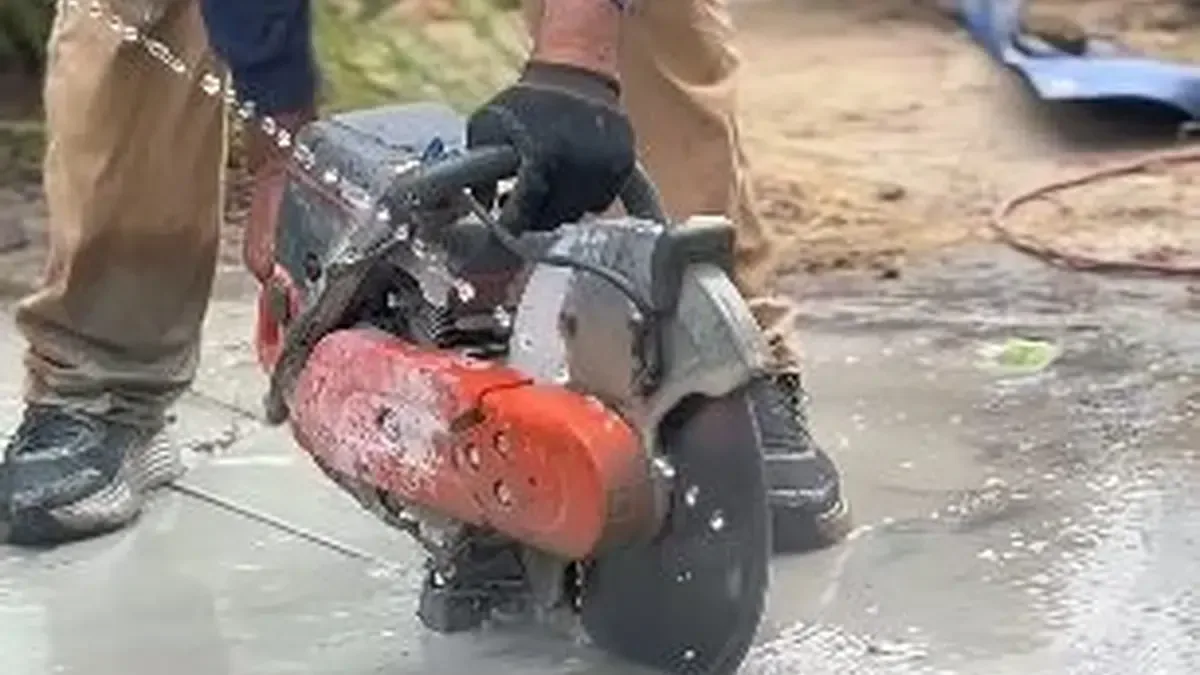
| Spot repair | Cut the floor above the leak, repair or replace a short section of pipe, patch the slab and the floor covering | One isolated leak on a line that is otherwise sound |
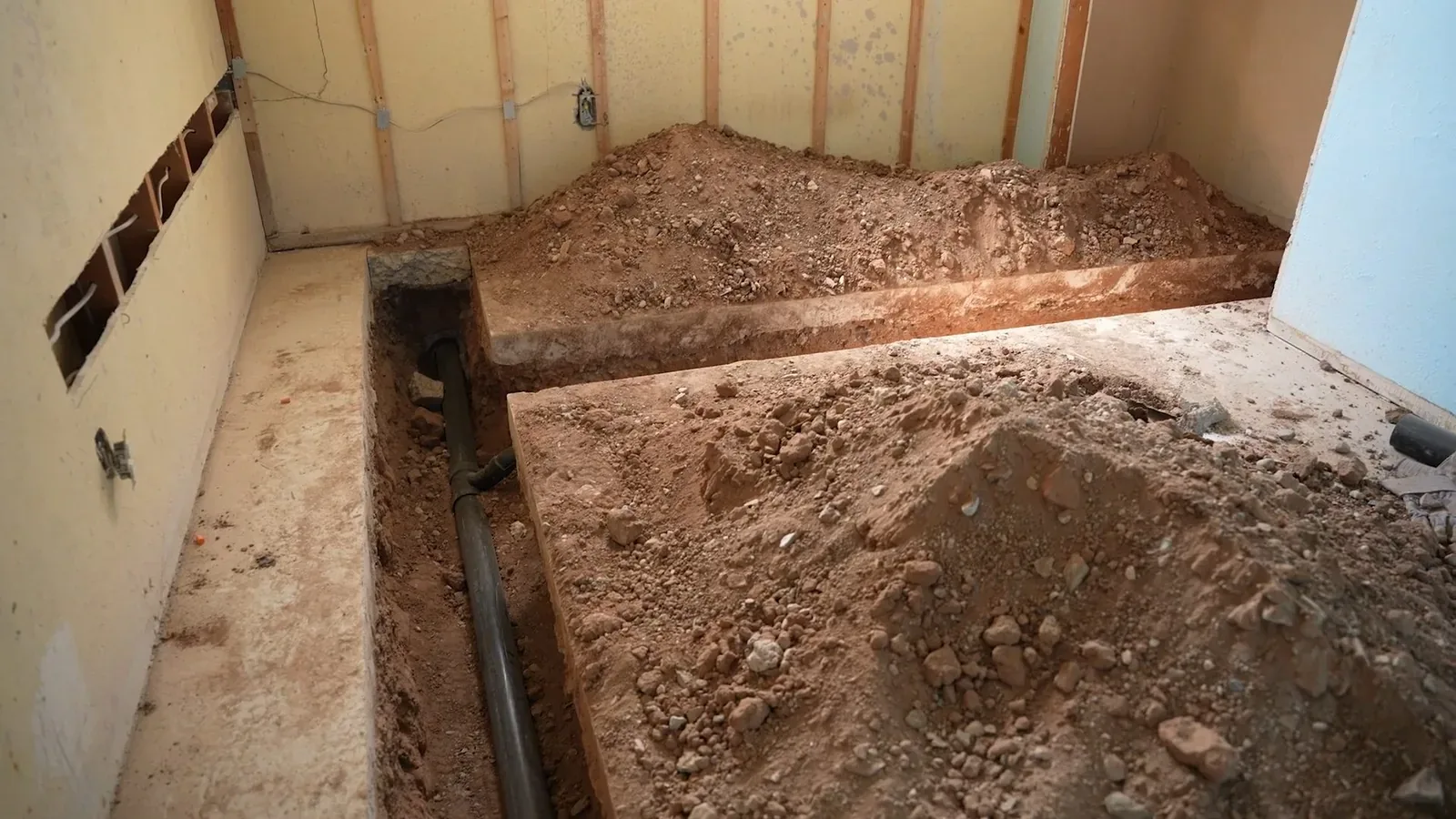
| Reroute | Abandon the leaking line under the floor and run a new line through the walls or attic | A line with repeated leaks, or one that is hard to reach under finished floors |
| Repipe | Replace the supply lines in the house, not only the failing one | Several leaks, visibly corroded pipe, or older pipe throughout |
Residential slab leak repair also includes trenchless and under-slab methods, such as tunneling beneath the concrete to reach the pipe, or coating the inside of a line. A leak inspection after the repair confirms the line holds pressure.
Other methods exist, such as tunneling under the slab to reach the pipe, or coating the inside of a line. Whether either is offered depends on the line and on the plumber, so ask what each method would change and how long it lasts.
Housing age is a useful starting point. The Georgia Municipal Association's city profile, built on 2022 American Community Survey estimates, puts the share of Atlanta housing built before 1980 at 46 percent. Older supply pipe is more likely to have more than one weak spot, which pushes the choice toward a reroute or repiping rather than another spot repair.
Inside the City of Atlanta, new or replacement plumbing in a one or two family home goes through the Office of Buildings, so ask who pulls the permit before a reroute or repipe starts. Other cities set their own rules.
Foundation and concrete: what to ask the plumber to confirm
Not every house in the Atlanta area sits on a concrete slab. Some have crawl spaces, basements, or a mix of foundation types across different parts of the house. This page makes no claim about which share of local homes are built on slabs, because no source for that figure was found.
That makes the plumber's own findings important. Before agreeing to cut a floor, ask for:
- How the plumber confirmed the line runs under the concrete rather than in a wall or crawl space.
- The method used to locate the leak and how the spot was verified.
- What the work will do to the floor covering above, and who repairs it.
- Whether the work is limited to the leaking section or includes testing the rest of the line.
- A written description of the proposed repair before work begins.
Spotting a slab leak early limits the damage to flooring and the subfloor, and a leak inspection of the hot and cold lines is the way to confirm it. A slab leak consultation with the plumber should end with a clear recommendation and the reasons for it.
If the findings point to a leak in a wall or a crawl space rather than the floor, the work is simpler and less disruptive. The general leak assessment fits that case.
Slab leak insurance claims: what to document
Slab leaks can lead to hidden damage under floors and carpet. If you may file a claim, gather what an insurer is likely to ask for:
- Dated meter readings that show the loss of water.
- Photos of the leak location, the damaged pipe and the opened floor.
- The plumber's written findings, including the method used to find the leak and the repair performed.
- Photos of any water-damaged flooring or walls before and after drying.
Ask the plumber to write the cause in plain terms, for example a pinhole in a copper line or a failed joint, since adjusters read descriptions as well as photos. Keep the invoice and any test results with the claim file, and note the dates of every visit.
Coverage depends on the insurer and the policy, and nothing on this page predicts the outcome. If floors or walls are already wet, drying out soaked floors covers extraction and drying.
When to call now
Close the main shutoff and call if water is rising on a floor, carpet is soaked, you hear water running with no fixture open, or the floor is hot to the touch. A hot floor can also mean a hot water line is leaking under the slab.
A slow, steady loss with a dry floor and a meter that moves slightly can wait for the next business day if you shut the main at night. A slab leak does not heal, and the longer it runs the more water goes into the ground and the subfloor.
Safety: Keep away from wet floors if the water is near outlets, power strips or appliances. Call from a dry spot and let the dispatcher know which rooms are affected.
Questions about slab leaks in Atlanta
What does a slab leak look like?
A slab leak rarely looks like anything at the pipe. The signs are warm floor spots, damp carpet or flooring, a musty smell, the sound of running water at night, and a water bill that rose without a change in use.
Can I tell the difference between a hot and a cold water slab leak?
Often yes. A hot water line leak can make the floor feel warm, and the water heater may run more. A cold line leak is harder to feel. A pressure test that isolates each line tells the plumber which one is leaking.
Do I need to move out during a slab leak repair?
It depends on the repair. A spot repair usually keeps the house usable. A repipe or reroute involves more cutting and more days without water. Ask the plumber how long the water will be off and which rooms are affected.
Who handles the floor repair after the leak is fixed?
The plumber repairs the pipe and, in many jobs, patches the opening in the slab. Replacing flooring, tile or carpet above is often a separate trade. Ask for a written scope that says which parts are included.
Is a slab leak an emergency?
If water is spreading or the floor is hot, treat it as one: close the main and call. A slow leak with a dry floor is urgent but can usually wait for the next available visit.
Related slab, leak and floor pages
Hidden leaks
Start with the meter check and wall, ceiling and yard line leaks if the source is still unclear.
Repiping
When one leak becomes a pattern, whole-house repiping explains the decision.
After the leak
For soaked floors and carpet, see water damage restoration.
Warm floor or water running under the house? Call the dispatch line, 24/7.
CALL (770) 588-0011