
Atlanta, GA · Gas line installation and repair
Emergency Gas Plumber in Atlanta, GA: Gas Line Repair, New Lines and Appliance Hookups
A gas smell is not a plumber-first call. Leave the building and call 911 or your gas utility from a safe place. Once the utility has cleared the building, or when you are planning a new line for a range, dryer or grill, a plumber can inspect, test and repair the piping. Our dispatch line picks up gas line calls 24/7, once any gas emergency has been cleared.
After a gas emergency has been cleared, or for planned gas work, the dispatcher passes your call to a plumber who serves Atlanta.
Call now- Your ZIP code and what work is needed.
- Whether the utility has already cleared the building.
- The appliances involved and the fuel type.
If you smell gas: leave first, then call
Gas smell: Get out first. Once you are clear of the building, phone 911 or the gas company's emergency number. Do not touch light switches or appliances, do not use a phone inside, and do not try to find the leak yourself.
Natural gas is odorized so that leaks can be smelled. A faint smell near one appliance, a hissing sound near a pipe or a dead patch of vegetation over a buried line are all reasons to leave and report it. This page publishes no gas utility phone number because the utility's own pages list more than one; use 911 or the number on your gas bill.
The utility finds the source on its side of the meter and can shut off the supply. Piping and appliances on the house side are the owner's, which is where a plumber comes in.
Gas line repair: what happens after the utility clears the building
A gas line repair begins with finding the failed section and ends with a pressure test that shows the repaired line holds. The work varies with the pipe and the problem.
| Problem | Typical cause | Typical repair |
|---|---|---|
| Smell at one appliance | A loose or worn connector, or a failed valve | Replace the connector or valve and test |
| Leak at a threaded joint | A joint that has loosened or corroded | Remake or replace the joint |
| Leak along a run | Corroded or damaged pipe | Replace the affected section |
| Pressure drop in a test with all appliances off | A leak somewhere in the system | Locate the leak with testing, then repair |
| Damaged flexible connector or corrugated line | Physical damage or age | Replace the line |
Ask what kind of test the plumber ran, what pressure was used and for how long, and whether the plumber will leave the written result with you.
Replacing gas pipe: black iron, CSST and what the old line is made of
Gas piping in houses is usually black iron, a rigid steel pipe with threaded joints, or corrugated stainless steel tubing, known as CSST, which is flexible and runs through walls and ceilings. Each has a role, and the right choice depends on the run.
Corroded black iron, an old line that has been damaged during other work, or a run that is too small for the appliances it feeds are the usual reasons for replacement. Ask the plumber to show you the old pipe and explain why it is being replaced rather than repaired.
A permit and an inspection often come with pipe replacement. Ask the plumber whether your address needs them, who files, and when the inspection takes place. A line that has been closed up without a required inspection can create problems at a home sale or after an insurance claim.
New gas line installation: planning a run
New gas work includes running a line to a range, dryer, fireplace, grill, generator or a water heater. The plumber sizes the line for the combined load, chooses a route and sets shutoffs where each appliance connects.
- What appliances the line will feed, and their combined demand.
- Route and depth of any buried section, and utility marking before digging.
- Where the shutoff valves and sediment traps will go.
- Whether the existing meter and house line can carry the added load.
- Who files any required permit and arranges the inspection.
Permit and inspection rules for new gas work vary by city and county, and this page does not state a rule for any one of them. Ask the plumber what applies to your address. The swapping a gas water heater covers gas water heater swaps, and the tankless gas supply needs covers the larger gas supply those units need.
Appliance hookups: range, dryer, fireplace, grill and generator
Connecting an appliance means a shutoff, a flexible connector rated for gas, and a leak test at every joint. Propane appliances use a different regulator and orifice than natural gas, and converting an appliance between the two takes the right kit and a pressure check.
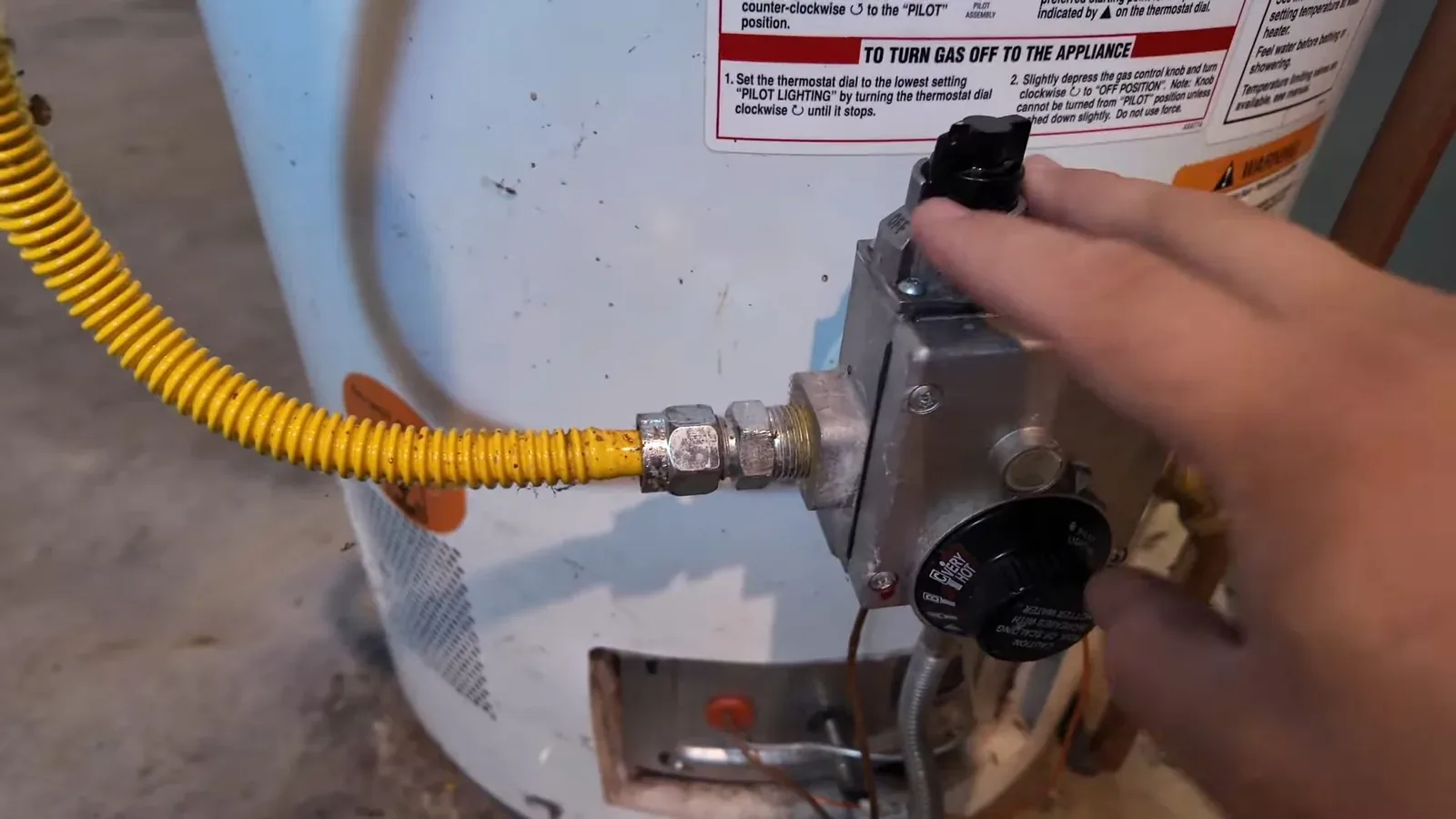
- Range or cooktop: a shutoff behind or beside the unit and a connector long enough to move it without strain.
- Dryer: a shutoff and a connector, plus an exhaust that is not blocked.
- Fireplace or log set: a shutoff, a rigid or flexible connection, and attention to venting.
- Outdoor grill or fire pit: a buried or surface line with a shutoff and a quick connect.
- Generator: a line sized for its demand, often a separate run.
Ask the plumber to test every connection with the appliance in place and to show you where the shutoff is. Keep that location in mind for an emergency.
Pressure testing and inspection: what to ask for
A pressure test is the standard way to prove a gas line is tight. The plumber closes the system, brings it to a test pressure and watches the gauge. A steady reading means the piping holds; a falling one means a leak.
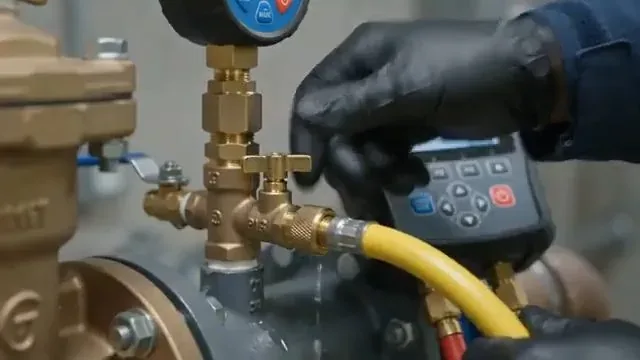
- The test pressure and how long it was held.
- Whether each joint was also checked with leak-detection solution.
- The condition of exposed pipe, hangers and connectors.
- Any items that were found and not repaired, in writing.
If a gas odor shows up after the work is done, go outside and report it to 911 or the gas company. Do not wait for the plumber to return.
If a test fails, the plumber should say where the pressure dropped and what was done about it, and test again after the repair. A written result with the date, the pressure and the plumber's name is worth keeping with the house papers.
When it is an emergency and when it can wait
A gas smell, a hissing sound at a pipe or a connection that is visibly damaged is an emergency, and the first call is 911 or the gas utility. After the building is cleared, the dispatch line answers gas line calls 24/7 and lines up a plumber for your address.
A planned appliance hookup, a new line for a grill or a request to inspect old piping can wait for a scheduled visit. Gather the appliance list and the location first so the plumber can plan the run.
Whatever the schedule, know where the main gas shutoff is, usually at the meter, and keep the tool for it where you can reach it. The plumber can show you the shutoff during a visit and mark it. Knowing it saves time in an emergency, and the utility can tell you when it is safe to turn it back on.
Questions about gas lines in Atlanta
What do I do when I smell gas in the house?
Go outside right away and report it to 911 or the gas company from a safe distance. Do not operate switches or search for the source.
Do I call a plumber for a gas leak?
Not first. The utility handles the supply side and clears the building. A plumber repairs the house piping and appliances afterward.
Who runs gas lines in a house?
A plumber qualified for gas work installs and repairs the house piping. Ask what permit applies to your address.
Can I convert a gas stove between natural gas and propane?
Appliances can be converted with the manufacturer's kit and a pressure check. Ask the plumber to do the conversion and test it.
How long does a gas line repair take?
A single connector replacement is quick. A run replacement takes more time; the plumber estimates it after looking at the line.
Related gas and heater pages
Gas water heaters
See gas water heater repair for pilots, igniters and thermocouples.
Heater swaps
The installation page for water heaters covers venting and gas connections.
Large gas loads
Tankless heaters often need a bigger gas line.
Gas line work in Atlanta? After any gas smell is cleared, call the dispatch line, 24/7.
CALL (770) 588-0011