
Atlanta, GA · Water damage restoration
Emergency Water Damage Restoration in Atlanta, GA: Extraction, Drying, Mold Testing and Cleanup
Water that has reached floors, walls or a ceiling keeps doing damage until it is removed and the materials are dry. The sequence is stop the source, extract the water, dry the structure and check for mold. Our dispatch line takes water damage calls 24/7 on a separate line and hands them to a plumber who works your part of Atlanta, and this page explains what each step involves.
Water damage calls use this separate number. Say what failed, where the water is and whether the main is shut off.
Call now- Your ZIP code and which rooms are wet.
- Where the water came from, and whether it is stopped.
- Clean water, or sewage, or storm water.
Water extraction and removal: the first hours
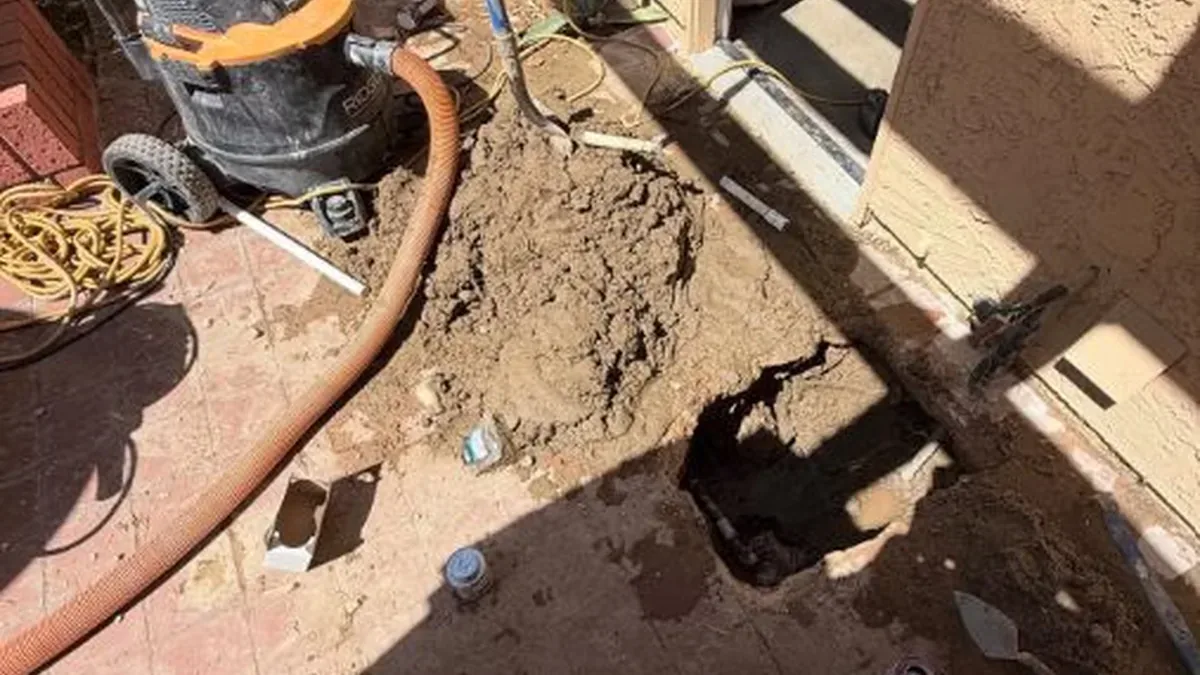
Extraction comes first because standing water spreads into drywall, subfloor and framing. Pumps and wet vacuums remove what is on the surface, and the longer water sits, the deeper it travels.
- Stop the source: close the main shutoff, or the fixture valve if you know where the water is coming from.
- Stay out of rooms where water has reached outlets, and keep the power off to those areas.
- Photograph the room, the source and any damaged belongings before anything moves.
- Lift items off wet floors and remove loose rugs, but leave built-in materials alone.
- Call the water damage line so extraction starts while the structure can still be saved.
A household vacuum is not meant for water and is an electrical hazard in a wet room. Leave extraction to equipment built for it.
Burst pipe and plumbing leak damage
Many losses start with a failed supply line, a washer hose or a fixture. The water source is the plumber's job and the wet materials are the restoration job, and both need to happen. The repair of the burst pipe itself and finding a hidden leak are covered on their own pages.
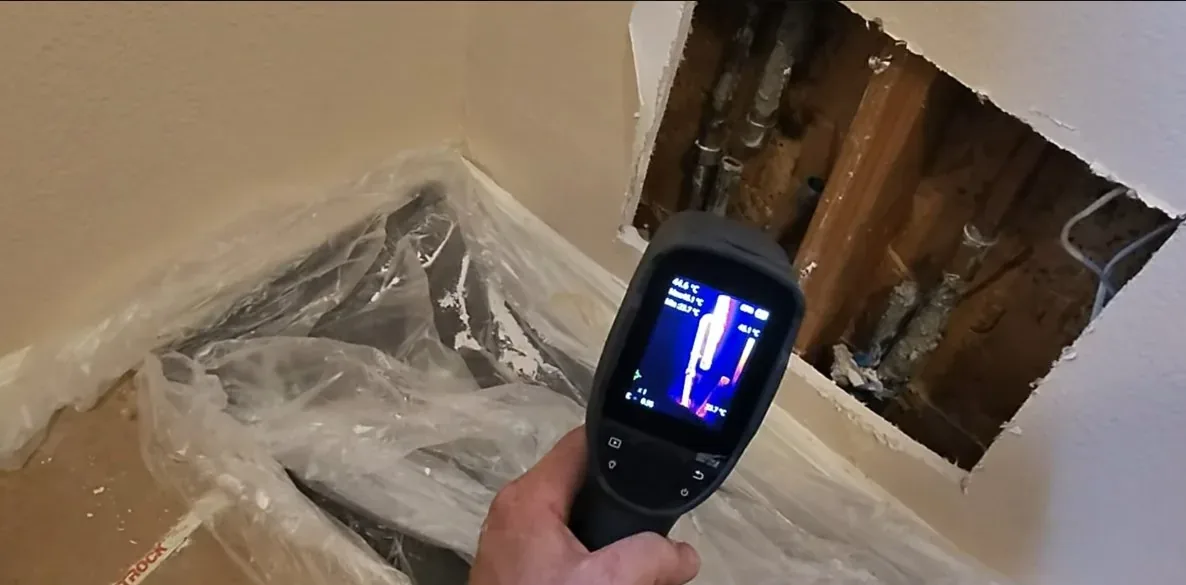
A leak that ran for days behind a wall can leave materials wet that look dry on the surface. Moisture meters and thermal imaging help show how far the water went, which is why drying should be measured rather than guessed.
Ask the plumber who coordinates with the restoration crew. When the pipe is repaired on one day and the drying starts on another, water keeps spreading in between, so the order and timing of the two jobs matters. A single call to the dispatch line that covers both is the simplest way to avoid a gap.
Flooded basement, crawl space and whole-house flooding
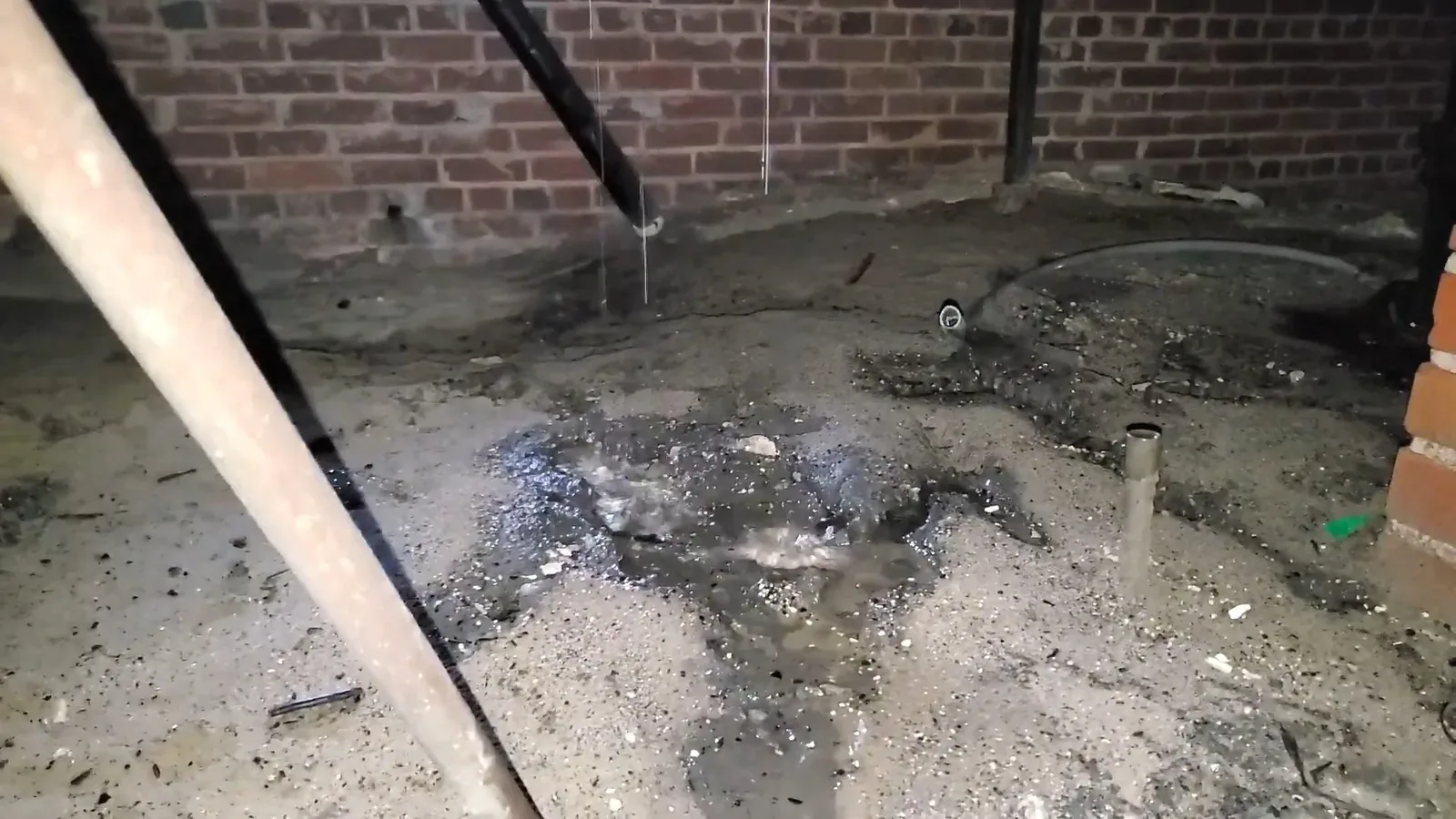
Plumbing causes come first: a broken supply line, a failed water heater, a sewer backup or a main line break. Each puts a lot of water into a low space quickly.
Storm and rain flooding is a different loss. Water from outside the house is a drainage and grading question, and a plumber cannot waterproof a foundation. Basement waterproofing and foundation inspection belong to other trades; the plumbing part is finding out whether a pipe is contributing and fixing it.
Before anyone goes into a flooded basement, switch off the power to it at the panel if that can be done from a dry spot, and do not walk through standing water near outlets. Water in a basement can also carry sewage or runoff, so treat it as contaminated until a plumber says otherwise. Photograph the waterline on the walls, since it shows how deep the water got.
Sewage backup cleanup
Water from a sewer backup carries bacteria and is handled differently from clean water. Porous materials that sewage soaked, such as carpet, pad and drywall, usually cannot be saved. Hard surfaces can be cleaned and disinfected.
Keep people and pets out of the area, avoid contact with the water and do not run the dishwasher or washer. If the backup came from the City's main, report it through ATL311, the City's customer care line, at 404-546-0311. The sewer line page covers the repair side.
Safety: Wear gloves, boots and eye protection if you must enter a sewage-affected area, and wash thoroughly afterward.
After extraction, hard surfaces are cleaned and disinfected, and porous materials that sewage soaked are cut out and bagged. Ask what will be removed, where it will be taken and how the area will be dried afterward. Expect the plumber to find the cause of the backup before the cleanup is called finished, or it can return.
What happens on a job: the process from first call to final reading
A water damage job follows a standard order, though each house varies.
| Step or scope item | What it involves | Plumbing, or separate trade |
|---|---|---|
| Source control | Stop and repair the leak or burst | Plumbing |
| Extraction | Remove standing water with pumps and wet vacuums | Restoration |
| Drying | Air movers, dehumidifiers and moisture monitoring | Restoration |
| Cleaning and odor | Clean affected surfaces; treat odors | Restoration |
| Mold testing | Sample or inspect where growth is suspected | Testing |
| Mold removal | Remove growth from affected materials | Remediation |
| Rebuild | Replace drywall, flooring, paint | Separate trade |
Reconstruction, the rebuild that follows drying, is a separate trade and is not part of this scope. Roof, HVAC and irrigation repair are also separate.
Drying equipment: air movers and dehumidifiers
Air movers push dry air across wet surfaces and dehumidifiers pull moisture out of the air. Together they dry a room faster than open windows can, and they run continuously until readings reach the dry standard for the materials.
Drying takes days, not hours, and the time depends on how much water got in and what the materials are. The plumber or crew should read moisture levels at the start, during the job and at the end, and give you the final numbers.
Rental of equipment is not the same as the drying work. Ask who sets it up, who monitors it and who removes it.
Ask for the starting and ending moisture readings for each wet material, and for the number and placement of the machines. Equipment that is turned off too soon can leave wall cavities damp while the surface feels dry, which is how hidden mold starts. Expect the equipment to be noisy and to add to the electric bill while it runs.
Flooring and carpet damage
What can be dried and what is replaced depends on the material and the water. Carpet and pad from a clean-water loss can often be dried if it is addressed quickly. Hardwood can cup or buckle, and engineered flooring and laminate swell at the edges. Sewage-soaked carpet and pad are normally discarded.
Cupping that shows up days after a loss, for instance from a washer valve that broke, is common, and no one can promise a floor will return to its original state. Ask what will be dried, what will be removed and what will be left for a flooring contractor.
Tile and sealed stone take water better than wood or carpet, though the subfloor under them can still be wet. Ask the crew to check under floor coverings with a meter instead of judging by the surface, and keep a sample of any material that is removed in case an insurer wants to see it.
Mold testing, inspection and assessment
Mold grows where materials stay wet for a day or more, so a musty smell after a loss is a reason to ask about testing. An inspection looks for visible growth, moisture and the source; testing samples the air or a surface.
Results describe what was found at the time and place of sampling. They are not a promise that a space is safe or clear of mold, and a test does not replace fixing the moisture. Ask the tester what the numbers mean and what comes next.
A test is most useful when there is a reason for it: a musty smell that will not go away, visible staining after a wet period, or symptoms that began after a leak. Ask who takes the sample, which lab reads it and how the results are reported. A written report you can show an insurer or a landlord carries more weight than a verbal answer.
Mold remediation and removal
Removal means taking out the materials that mold has grown into and cleaning surfaces that can be cleaned. The moisture has to be fixed first, or the growth returns.
Containment keeps spores from spreading to clean rooms while work goes on, and affected drywall or insulation is bagged and removed. This page does not state a mold standard or certification for the Atlanta area, since no primary source for one was found; ask the company what protocol it follows.
Ask the company to explain which materials will be removed, how the work area will be separated from the rest of the house and how the air will be handled during the work. Ask what happens if more growth shows up behind the first wall, and get the scope in writing so any change is a decision you made, not a surprise.
Fire, smoke and odor damage
After a fire is out, firefighting water and soot are separate problems. The water is extracted and dried like any other loss, and soot and smoke odor are cleaned from surfaces and treated in the air. Odors from a long-standing water loss can be treated the same way.
Structural repair after a fire, and rebuilding, are separate trades and are not described here.
Ask who handles each stage of a fire loss: the plumber for water lines damaged by the fire, the restoration crew for water extraction and drying and soot cleaning, and a contractor for the rebuild. A written scope that lists each stage and who does it keeps the pieces from overlapping or being missed.
Smoke odor lingers in fabric, insulation and the air handling system, so ask whether the crew treats the ducts and whether items such as drapes and upholstery are cleaned or discarded. A smell that returns in hot weather means the source material was not removed.
Damage assessment, insurance claims and loss documentation
A major loss, for example in a vacant house or a rental, needs an assessment of how far the water went. The assessment lists the rooms, materials, readings and source, and often the photos that go with them.
- Dated photos of the source, the water and the damage before cleanup.
- The plumber's written findings on what failed.
- Moisture readings from the start and the end of drying.
- A list of damaged belongings and materials.
- Receipts for emergency work and equipment.
Coverage is the insurer's call under your policy, and this page cannot predict it. Condo, apartment and commercial losses add the question of who owns the damaged parts, and the association or landlord may need a separate report. Business property losses have their own page.
Leaks from non-plumbing sources: roof, ceiling, AC and irrigation
Not every wet ceiling is a plumbing leak. A roof leak, an AC condensate line that overflowed and an irrigation line can all put water into a house. Roof repair, HVAC repair and irrigation repair are separate trades.
A plumber can check whether any plumbing line is the source, and the restoration crew can dry what is wet either way. The next call after that depends on what the plumber finds.
If the source turns out to be the roof, tell the roofer how the water entered, and photograph any staining that appears after the next rain. For an AC condensate overflow, an HVAC technician clears the line and checks the pan. For an irrigation break, the irrigation contractor or the property owner handles the line, and the restoration crew handles what got wet.
Questions about water damage in Atlanta
How fast do I need to start drying after a leak?
As soon as possible. Materials that stay wet for a day or more can grow mold, and standing water spreads into walls and subfloors.
Is water damage covered by insurance?
The cause, the insurer and the policy all matter. Keep photos, readings and receipts together and ask your insurer what it needs.
Can wet carpet and flooring be saved?
Often, if the water is clean and the drying starts quickly. Sewage-soaked carpet and pad are normally discarded.
Do I need a mold test after a leak?
A test is worth asking about if a musty smell or visible growth shows up, or if materials stayed wet for more than a day.
What does a plumber do on a water damage call?
The plumber stops the source and repairs the line. The restoration crew extracts water and dries the structure. The dispatcher can arrange both.
Who handles rebuilding after the drying?
A separate contractor does drywall, flooring and paint. This page covers extraction, drying, cleaning and mold work.
Related burst, backup and leak pages
Burst pipes
Repairing a burst or frozen pipe is covered on its own page.
Sewer backups
See the sewer line behind the backup, where the cleanup starts.
Hidden leaks
The meter check for hidden leaks shows whether water is still escaping.
Water in the house? Call the water damage line, 24/7.
CALL (770) 368-6338