
Atlanta, GA · Leak detection and repair
Emergency Leak Detection in Atlanta, GA: Finding Water Leaks in Walls, Floors and Yard Lines
The water bill climbed, a ceiling stain appeared, or the meter keeps turning with every tap closed. A leak you cannot see still needs a plan: confirm it, find where it is, and learn who repairs that part of the line. Call our dispatch line and describe what you see; it connects you with a plumber who serves Atlanta, 24/7 for active leaks.
Describe what you see or hear. The dispatcher sends your call to a plumber who serves Atlanta.
Call now- Your ZIP code and where the water shows up.
- Whether the meter moves with every fixture closed.
- Whether you have shut the main off.
Is it a leak? The meter check and what it cannot tell you
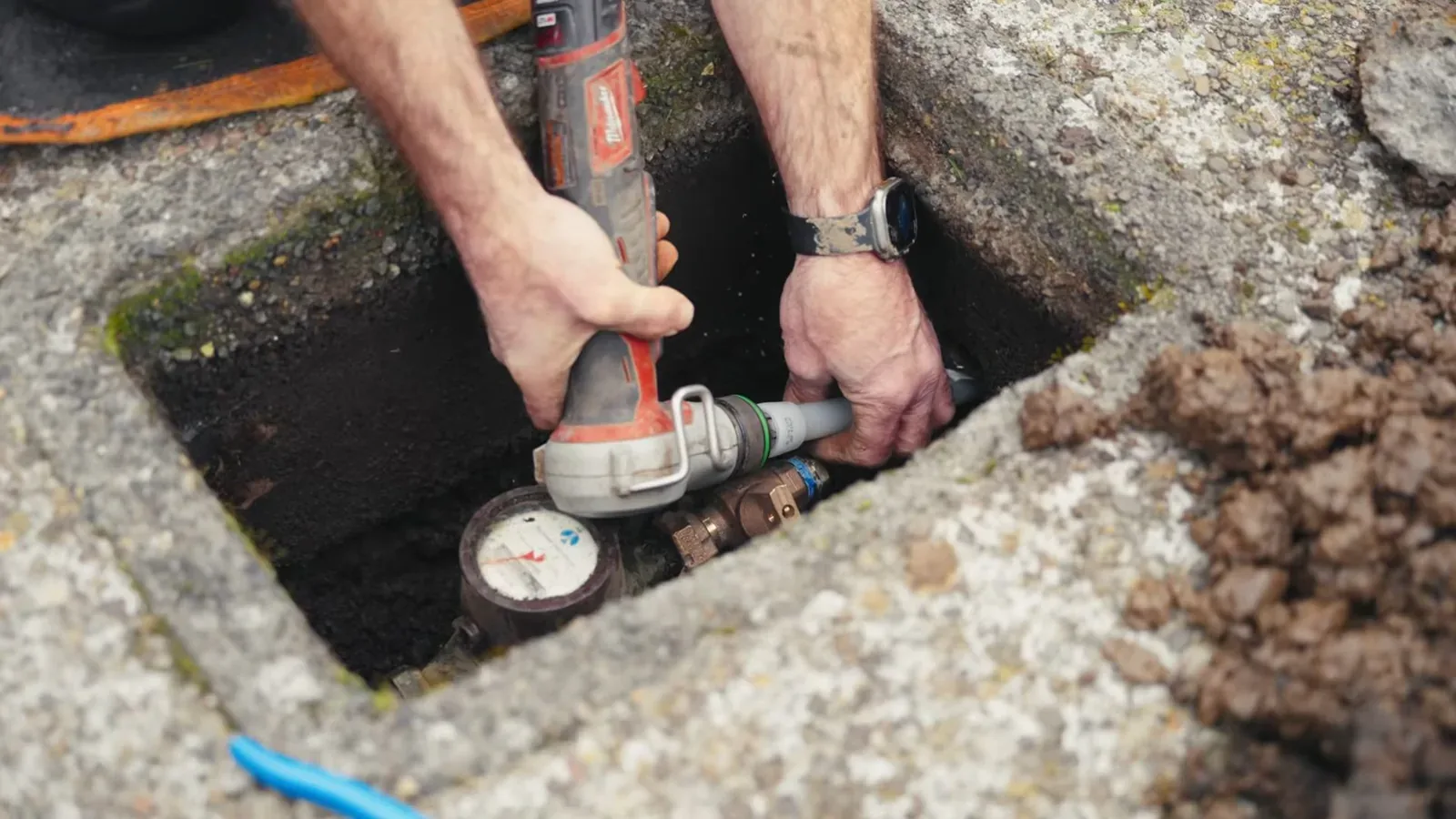
Most hidden leaks announce themselves on the water meter before they show up anywhere else. The check takes ten minutes and needs no tools. It tells you whether water is leaving the system. It does not tell you where.
- Stop all water use: close every tap, make sure the dishwasher and washing machine are idle, and pause any ice maker or irrigation timer.
- Find the meter, usually in a box near the curb, and lift the lid carefully.
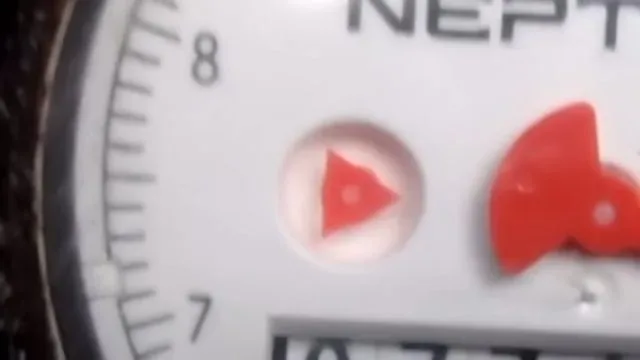
- Look at the small low-flow indicator or the dial. If it turns or spins with everything off, water is moving somewhere.
- Write down the reading, wait ten minutes without using water, and read it again. A changed number confirms a leak.
- Now shut the house's main valve and read the meter a third time. If it still moves, the leak is on the meter side of that valve. If it stops, the leak is inside the house.
That last step is the most useful one. It splits the problem in two before anyone digs or opens a wall. A meter that stops after the main is closed points inside the house; a meter that keeps moving points to the line between the meter and the house, or to the valve itself.
Which side of the meter: who repairs what in Atlanta
The location of a leak sets who fixes it, and the answer is not the same for every address.
Meter to house, or main to meter
The City draws the line at the meter. The Department of Watershed Management puts the stretch from the meter to the house on the homeowner, and the stretch from the main to the meter on the City.
So a wet spot after the meter is a plumber call, while a wet spot before it goes to the City through ATL311 at 404-546-0311.
That split holds for City of Atlanta water accounts. If a different city or county utility bills you, find out where its section stops before you pay for a repair. For the owner's stretch of pipe, the page on water line repair between the meter and the house walks through the owner's section of the line in more detail.
Leak detection service: how a plumber finds a hidden leak
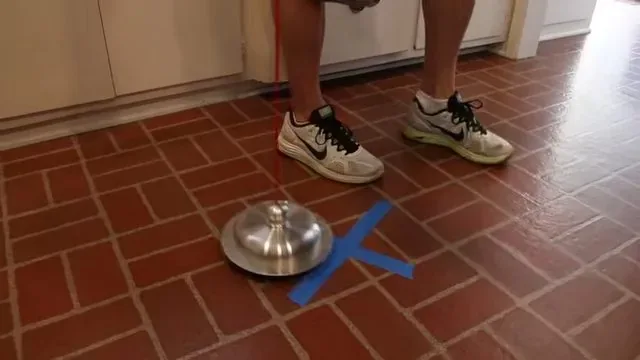
Once the meter confirms a leak, the job is to locate it with as little demolition as possible. Plumbers combine several tools, and the right mix depends on what the water is doing.
| Method | What it picks up | Best suited to |
|---|---|---|
| Acoustic listening | The sound of pressurized water escaping from a pipe | Supply lines under floors, behind walls and in yards |
| Electronic or tracer gas location | A marker that escapes at the leak point | Lines where sound is weak, such as plastic pipe |
| Thermal imaging | Temperature differences in a surface | Hot water lines in floors, and damp walls and ceilings |
| Pressure test | Whether an isolated section holds pressure | Confirming which section of a line is leaking |
| Camera inspection | The inside of a drain or sewer line | Drain leaks and cracked drain pipe |
A plumber who asks to isolate a section and run a pressure test is doing the ordinary work of narrowing the search; hydrostatic testing of plumbing lines is the same idea applied to a longer run. Thermal imaging and electronic equipment show where to look. They do not replace opening the spot to confirm the pipe is the source.
Infrared and sonar-style equipment, and tracer gas for specialized cases, are the advanced leak detection tools. The technology narrows the search, and precise leak location matters because it limits how much of a wall or floor has to be cut. A leak that reduces pressure at one fixture only is often local to that branch.
Callers often say they have narrowed a leak to within twenty feet and only need someone with the equipment. That is a reasonable request: give the plumber the area and what you already ruled out, and ask them to mark the exact spot before any cutting starts.
Wall, slab or yard line: telling the sources apart
The first sign usually points to the type of leak. Use it to describe the problem on the phone.
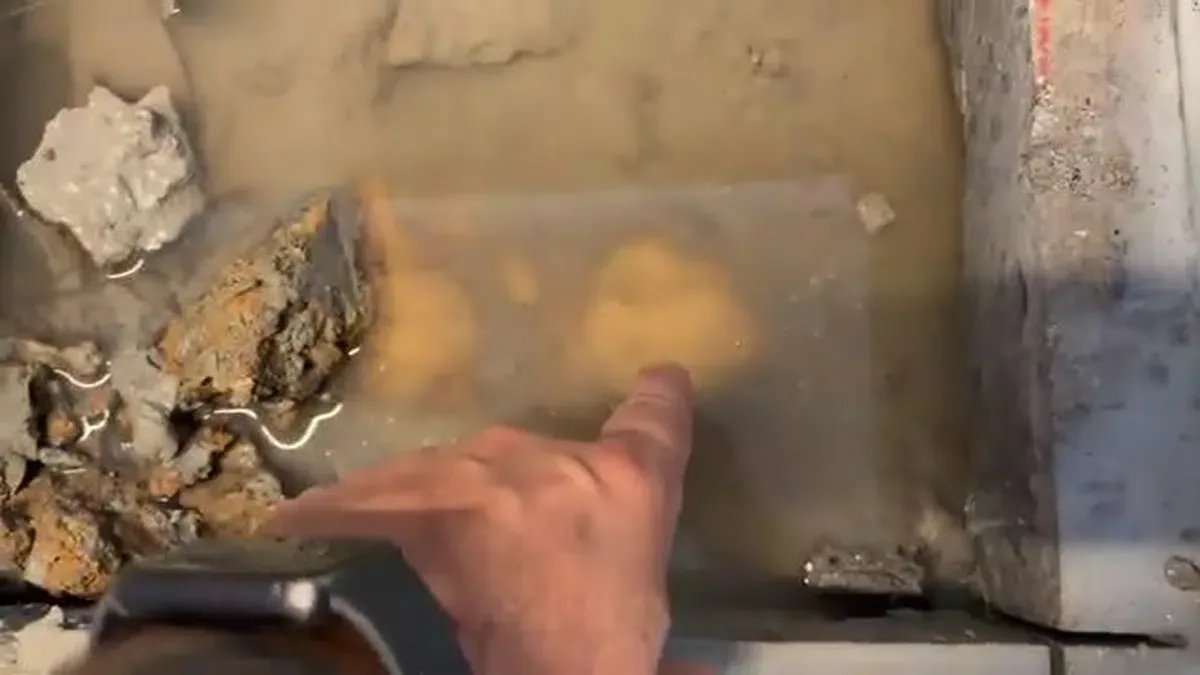
- A stain or bubbling paint on a wall or ceiling: a supply or drain line inside the wall, or an appliance connection above. Water can travel along a pipe or joist before it shows, so the stain is not always under the leak.
- A warm spot on the floor, or the sound of running water at night: often a hot water line under or inside the floor. The page on slab leak location and repair covers that case.
- Soggy or unusually green ground in the yard between the meter and the house: a service line leak. A meter that moves after the main is closed fits this pattern.
- Dampness under the house, in a crawl space or a basement: a drain or supply line above, or water entering from outside. Photograph it and tell the plumber when it appears.
Residential leak detection covers the whole house and the yard: attic plumbing, ceilings and walls, basement and crawl space lines, and underground service lines. Irrigation and sprinkler lines are a separate trade, so mention it on the call if the wet ground is near sprinkler heads.
Water in a basement or crawl space has more than one possible source. A plumbing leak, a failed appliance hose, and groundwater all look similar. A plumber can test the plumbing; if the plumbing checks out, the source is outside their scope and a drainage or waterproofing specialist is the next call.
Leak repair: what happens after the leak is found
The process on most jobs runs in the same order: confirm the leak, locate it, expose the pipe, repair it, test the line and document the work. Small leaks caught early stay small repairs. Ignoring them, or letting a leak run for weeks, leads to structural damage such as rotted framing, stained ceilings and mold, and humidity in a closed space can hide a leak for a long time.
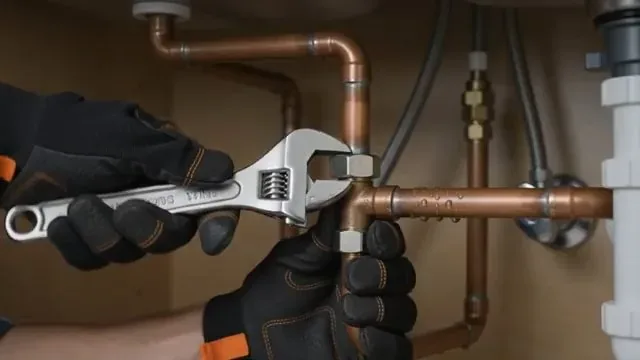
Finding the leak is half the job. The repair depends on the pipe and where it sits: a cut-and-replace of a short section, a new fixture connection, or, where the pipe has failed repeatedly, a larger replacement.
Fixture leaks: faucets, toilets and showers
Dripping faucets, a toilet that refills on its own, and a shower valve that weeps behind the wall are leaks too, and they show up on the water bill. A faucet drip is often a worn cartridge or washer. A toilet that runs on its own is usually a flapper or fill valve issue. Both are small repairs. A shower valve leak behind a tiled wall is different, because the repair involves opening the wall. The page on faucet, toilet and fixture repair covers the fixture side.
When one leak is a pattern
One pinhole in a copper line is a repair. Several leaks in a few years, or pipe that is visibly corroded, point to a decision about repiping the house. Atlanta homes span several building eras, so the pipe can be copper, galvanized steel, plastic or a mix. Ask what yours is made of before agreeing to a repair plan.
What to ask for, and what to keep for your records
A leak assessment should leave you with more than a verbal answer. Before the visit ends, ask for these:
- How the leak was found, and the spot marked on the surface.
- Photos of the leak and the damaged pipe, with the date.
- The pipe material and size at the leak, and the length that is affected.
- A written description of the repair and what it covers, including any wall or floor repair that is not part of the plumbing work.
- Whether the plumber checked the rest of the line for similar wear.
Keep a leak history as well: the dates, locations and repairs help the next plumber see a pattern. A periodic inspection of exposed pipe, shutoff valves and supply connections is plumbing maintenance that catches the warning signs of hidden leaks early: a musty smell, stained or bubbling paint, hissing or banging sounds, and a bill that creeps up.
If an insurance claim is possible, keep the meter readings, the photos and the written findings together. The plumber can document the cause and repair; whether the loss is covered is a question for the insurer, and nothing here predicts the outcome. If water has already soaked walls or floors, the next step is restoring wet walls and floors, which covers extraction and drying.
When to shut off the water and call now
Call now, and close the main shutoff, in these cases: water is running onto a floor, a ceiling is sagging or bulging, a pipe is spraying, or water is near electrical outlets or a panel. Stay out of the water if it reaches outlets, and call from a dry spot.
Safety: Never touch an outlet, switch or appliance standing in water. If water is reaching an electrical panel, leave the area and call the dispatch line from outside.
Waiting a day is reasonable when the leak is slow, the meter moves only slightly, the area is dry and you can close the main overnight. Even then, do not leave a leak running for weeks: the water bill is the smaller cost compared with rot and mold.
Winter changes the picture. Cold snaps matter too. NWS data put the typical final freeze at the Hartsfield-Jackson station around March 20, which means a frozen, split pipe can start leaking whenever it thaws. If water appears as the ice melts, shut the main and call the dispatch line, which answers 24/7.
Questions about leak detection in Atlanta
How do I know if I have a hidden leak?
Run the meter check: close every tap, read the meter, wait ten minutes and read it again. If the number moved, or the low-flow dial turns, water is leaving the system. A high bill with no change in habits, a musty smell, warm floor spots and the sound of running water at night point the same way.
Is a leak between the meter and my house my responsibility?
For City of Atlanta water accounts, yes: the City says the homeowner covers the line after the meter. Another utility might set the cutoff elsewhere, so check with whoever bills you.
Can a plumber find a leak without opening the wall?
Often the plumber can narrow it down first. Acoustic listening, thermal imaging and pressure testing show where to look, and the plumber should mark the spot before cutting. The pipe still has to be exposed to confirm the source and repair it.
What should I do first when I find water in the house?
Close the fixture valve if you can tell which fixture it is, or the main shutoff if you cannot. Keep away from water near outlets, move belongings out of the way and take photos before cleanup. Then call the dispatch line.
Does a leak detection visit include the repair?
Not necessarily. Locating the leak and repairing it are two parts of the same job. Ask the plumber to describe both before work begins, and to tell you which part is the finding and which is the fix.
Related leak and water problems
Slab leaks
Warm floor spots and running water at night are covered on the page for slab leak detection and repair.
Water lines
Leaks in the owner's section are explained in meter-to-house water line repair.
Wet walls and floors
After the source is stopped, extraction and drying after a leak is the next step.
Water running where it should not? Call the dispatch line, 24/7.
CALL (770) 588-0011