
Cost factors · 38 factors across 15 services
Plumbing Cost Factors in Atlanta, GA: What Changes the Size of a Job
This page gives no prices. It lists what makes one plumbing job larger or smaller than another, so you know what to ask about before work starts. The plumber on site sees your pipes and explains what applies to your job.
Ask the dispatcher what the plumber will look at first, and the call goes to someone who serves your area.
Call now- The fixture or system involved.
- Your ZIP code.
- Whether a permit may be involved.
How to read the factors on this page
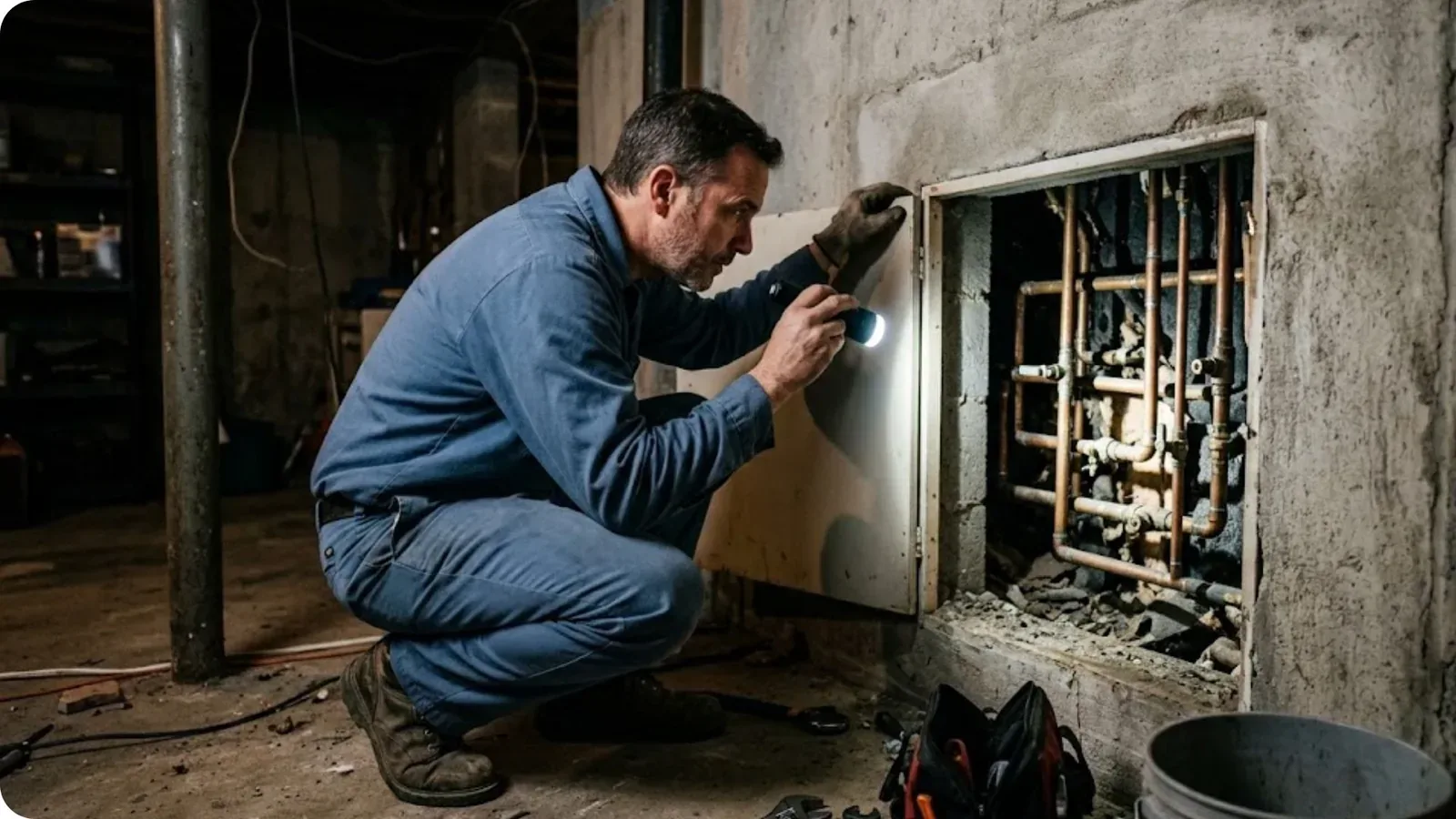
Every factor below changes the work, not the rate. Bigger spaces, harder access and older pipe take longer to deal with, and a repair that has to be followed by restoration is a larger job than the repair alone. Read the factors for your service, then ask the plumber which ones apply to your house.
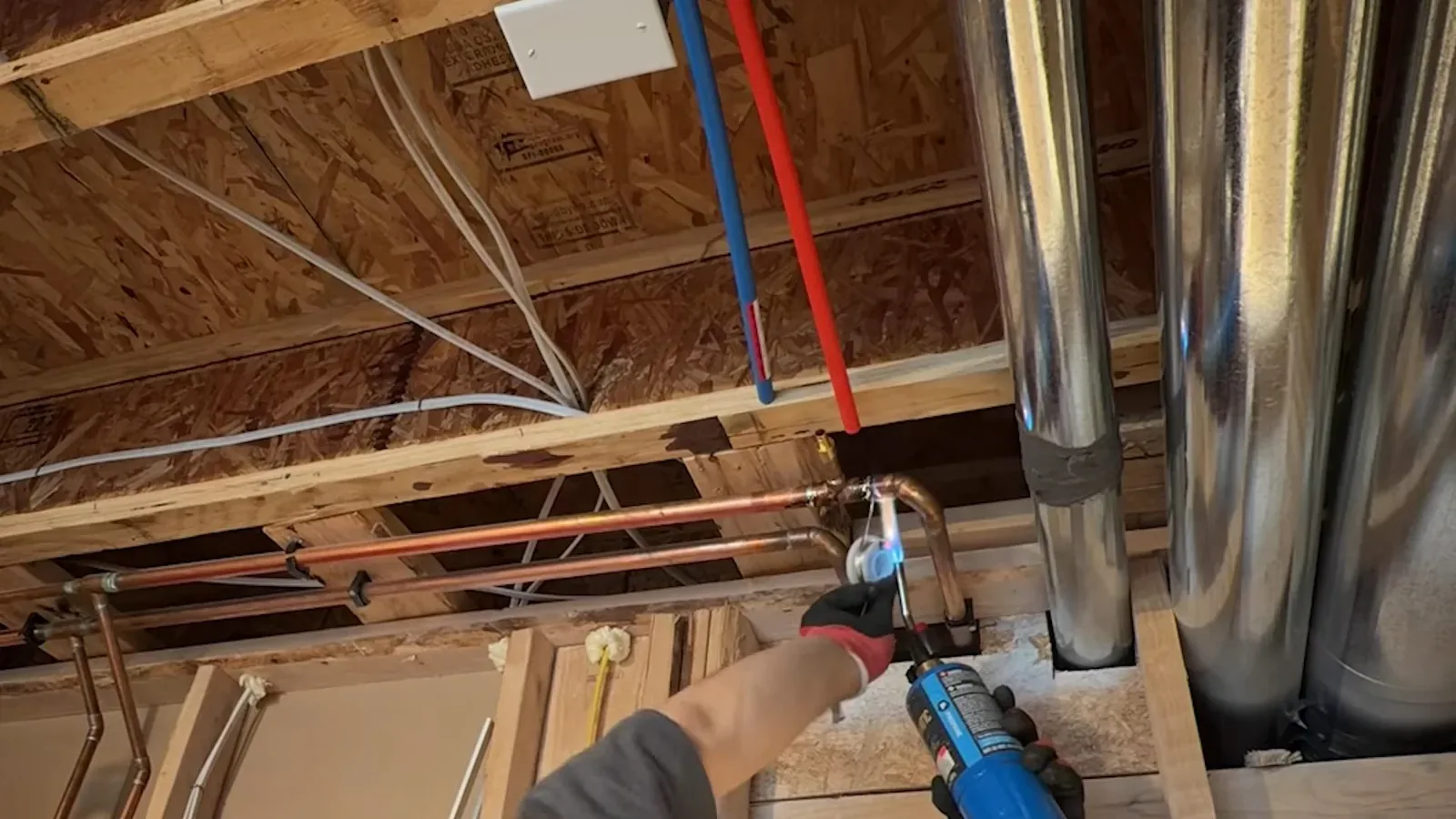
Leaks and slab work
Leak detection
- Property size and the number of suspect lines: more pipe to test means more time to isolate the leak.
- Method used and whether the leak can be reached without opening walls or ground.
The how a leak is traced page explains the work itself.
Slab leaks
- Time spent isolating the leak, which grows with the size of the foundation, the floor coverings and the number of lines.
- The detection method chosen: acoustic, thermal imaging or tracer each suit different cases.
- Breaking through the slab at one spot, or rerouting the line through the attic or walls instead.
- Putting finishes back afterward, such as flooring and drywall, which is often a separate piece of work.
The slab leak methods page explains the work itself.
Drains and sewer
Drain cleaning
- Where the blockage sits: a branch serving one fixture is a different job from the main line, and an accessible cleanout helps.
- A camera look may be needed first if the cause is unclear.
- How much pipe has to be cleared, from a few feet to a long run.
- What is blocking the pipe, since roots call for a cutting head and grease or scale for a different tool.
The what drain cleaning involves page explains the work itself.
Sewer lines
- How long the line is and how wide the pipe is.
- Whether the pipe is cracked or has collapsed, which are different repairs.
- Reopening the side connections after a liner goes in.
The sewer repair methods page explains the work itself.
Water heaters
Water heater repair
- Which part has failed and whether it is on hand.
- Age of the unit, which sets where repair stops making sense compared with replacing it.
The heater repair page explains the work itself.
Water heater replacement
- The tank's size and its fuel: gas, power vent or electric.
- Code items that come with the swap, such as an expansion tank, venting corrections and any permit.
The heater replacement choices page explains the work itself.
Tankless heaters
- Whether the existing gas line and meter can carry the load of an on-demand heater.
- Whether the electrical service has the capacity and the panel has room.
- The vent route and where the condensate drains.
The tankless requirements page explains the work itself.
Pipes, water lines and gas
Repiping
- How large the house is, how many bathrooms it has and how many stories.
- How the plumber reaches the pipes: crawlspace, attic or slab.
- The new pipe material, and the wall repair that follows.
The repipe scope page explains the work itself.
Water lines
- Length and depth of the service line, and the material replacing it.
- Trenchless versus open trench, and surface restoration such as landscaping or a driveway.
- Who owns which section, meter side versus house side, and any utility permit.
The water line replacement page explains the work itself.
Gas lines
- Run length, pipe material and the number of appliance connections.
- Pressure test and inspection requirements.
The gas piping work page explains the work itself.
Fixtures and disposals
Faucets, toilets and fixtures
- Parts versus whole-fixture replacement.
- Condition of the shutoff valve and the supply line.
The fixture repair steps page explains the work itself.
Garbage disposals
- The unit's motor power and build quality.
- Changes under the sink to the outlet, the switch or the discharge pipe.
The disposal repair page explains the work itself.
Water damage
Water damage restoration
- How much water there is, how long it sat and how far it spread through floors and walls.
- Whether the water was clean or contaminated, which changes what can be dried and what has to be removed.
The restoration steps page explains the work itself.
Water treatment
Softening and filtration
- System type, such as a softener, a whole-house filter or reverse osmosis, and its capacity.
- Local water hardness, and the drain and electrical hookup at the install location.
The treatment systems page explains the work itself.
Commercial jobs
Commercial plumbing
- Scope, building size and after-hours access.
- Occupancy: a plumber working in a restaurant, shop or tenant space has to fit around business hours.
The commercial jobs page explains the work itself.
Urgent visits and how to compare what you are told
An urgent visit often starts with a stop-gap that ends the damage, such as closing a valve or capping a line, and finishes the permanent repair at a later visit. Ask whether what you are being offered is the stop-gap, the permanent repair or both.
- What is included, and what is a separate part of the job, such as restoration or a permit.
- What could change the job once walls or ground are opened.
- Whether the repair fixes the cause or only the symptom.
- Who pulls any permit, and whether an inspection follows.
For urgent problems, the emergency guidance on the homepage lists what to do first.
Want to know what applies to your job? Call and ask for a plumber to look.
CALL (770) 588-0011