
Atlanta, GA · Faucet, toilet and fixture repair
Plumber for Toilet Replacement in Atlanta, GA: Faucets, Sinks, Tubs and Showers Repaired or Swapped
A toilet that keeps running, a faucet that drips at night and a shower valve that will not shut off all have the same first question: is it a repair or a replacement? The answer depends on the part that has failed, the age of the fixture and whether the fix is a small part or the whole unit. Our dispatch line hands the call to a plumber who covers your part of Atlanta.
Say which fixture is the problem and what it does. The dispatcher sends the call to a plumber who serves Atlanta.
Call now- Your ZIP code and which fixture it is.
- Whether the shutoff valve under it works.
- Brand or age, if you know it.
Repair, replace or move the fixture: the first decision
A repair fixes the part that failed: a flapper, a cartridge, a washer. A replacement swaps the whole fixture. Moving a fixture to a new spot is larger work, since it changes the pipes behind the wall.
Swapping an existing kitchen or bathroom fixture in a one or two family home in the City of Atlanta is exempt from the permit, according to the City's Express Permit guidance. Relocating a fixture or replacing the piping behind it goes through the Office of Buildings. Other cities set their own rules.
Age is the practical tiebreaker. A fixture over fifteen years old with several worn parts is often better replaced than repaired, while a newer fixture with one failed cartridge is a clear repair. Ask the plumber to price both, in writing, so you can compare the actual choices.
Toilet repair: running, weak flush and slow fill
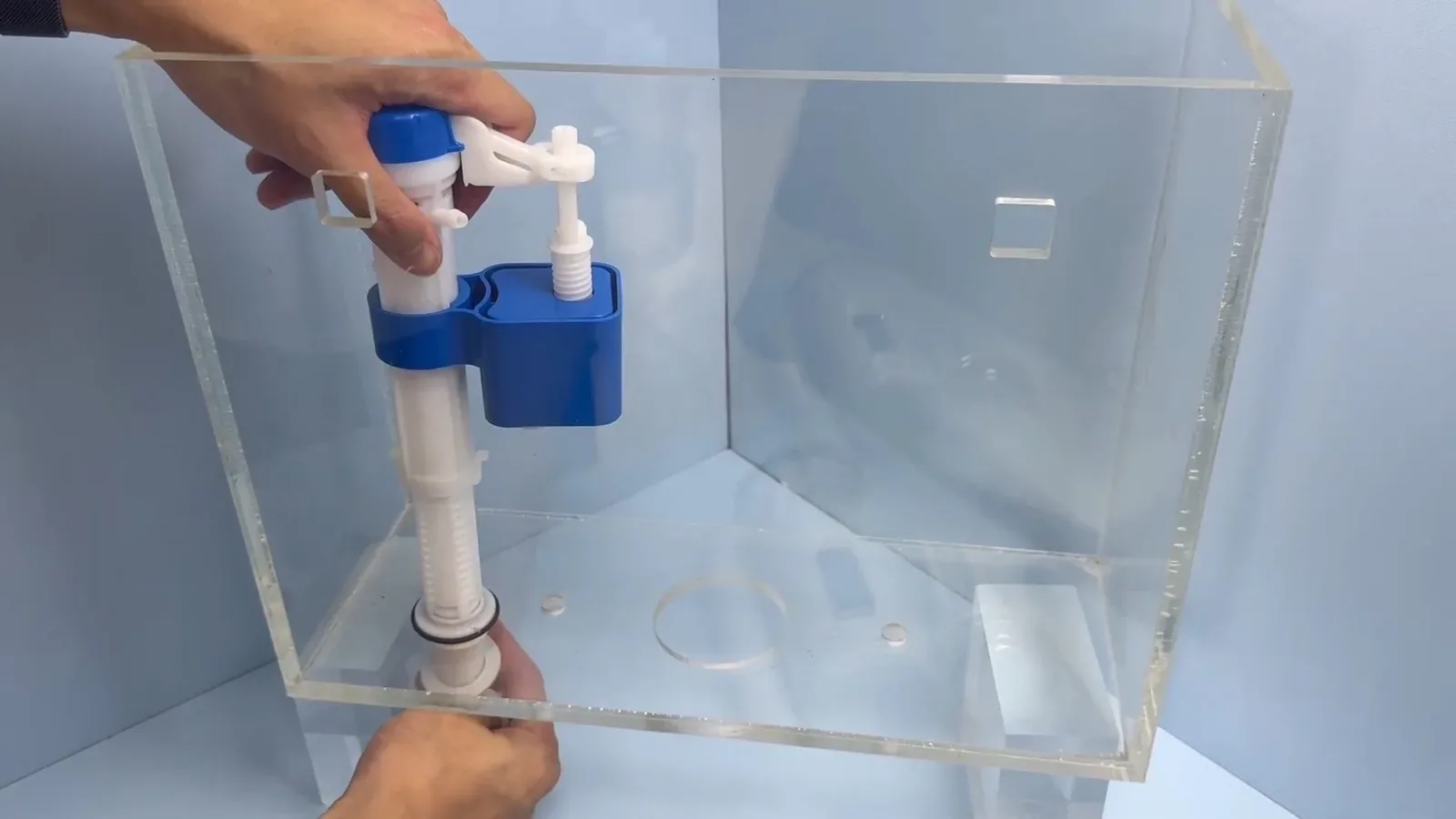
Most toilet trouble comes from the parts in the tank. A flapper that does not seal lets water leak into the bowl and makes the toilet refill on its own. A worn fill valve fills slowly or never stops. A chain that is too tight or too loose changes how the flapper opens.
- Running on its own, with a faint hiss: usually a flapper or the fill valve.
- Weak flush: a low water level, a partly clogged bowl or rim, or a flapper that closes too soon.
- Water at the base of the bowl: a worn wax ring or loose closet bolts, or a leaking supply connection.
- Rocking on the floor: loose bolts or a damaged flange.
A quick test is to put a few drops of food coloring in the tank and wait. If color shows in the bowl without flushing, the flapper leaks.
Toilet install and replacement: what the swap involves
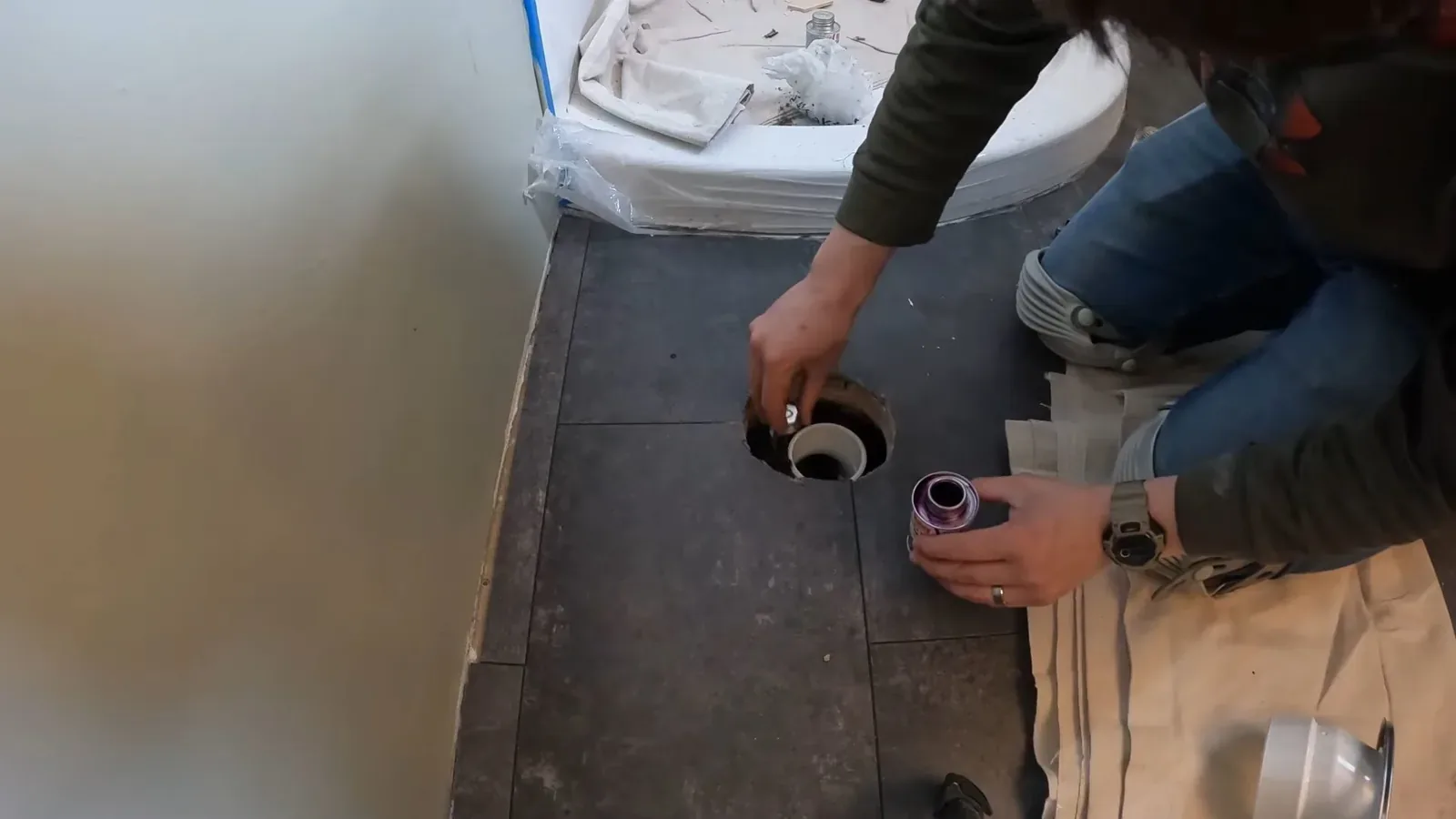
Replacing a toilet means shutting off the supply, draining the old one, lifting it off the flange, setting a new wax ring and bolting the new toilet down. The plumber also checks the flange and the floor around it.
| Job | What changes | What to ask |
|---|---|---|
| Like-for-like swap | Toilet and wax ring only | Rough-in distance match, flange condition |
| Different style or height | Same rough-in, different fit | Floor clearance, supply line length |
| Moving the toilet | New drain and vent run | Permit, floor opening, who patches |
| Dual-flush or bidet seat | Adds a supply or outlet | Nearby outlet, valve type |
Check the rough-in distance, which is the measurement from the wall to the center of the floor drain, before buying a toilet. The usual distance is twelve inches, and a toilet made for another distance will not sit right. The plumber can measure it in a minute and tell you which models fit.
Faucet repair: drips, low flow and leaks at the base
A drip from the spout is often a worn cartridge or washer. Low flow can come from a clogged aerator, which is a small screen at the spout tip, or from a partly closed supply valve. Water under the sink may be a loose supply connection, a failing drain or a cracked faucet body.
Cartridges and washers are small parts, and a faucet that is otherwise in good shape is worth repairing. A faucet with a corroded body or a discontinued part is cheaper to replace.
A faucet repair usually takes one visit if the part is on hand. Bring the make and model if you can read it, since a cartridge for one brand does not fit another. If the faucet is discontinued, the plumber may need a universal part or recommend replacing it with a similar style.
Bathroom sink, vanity and kitchen sink: what fails and what to ask
Under a sink there are three places water can escape: the supply lines and their valves, the faucet, and the drain with its trap. Dry each connection with a paper towel and see which one wets it again first.
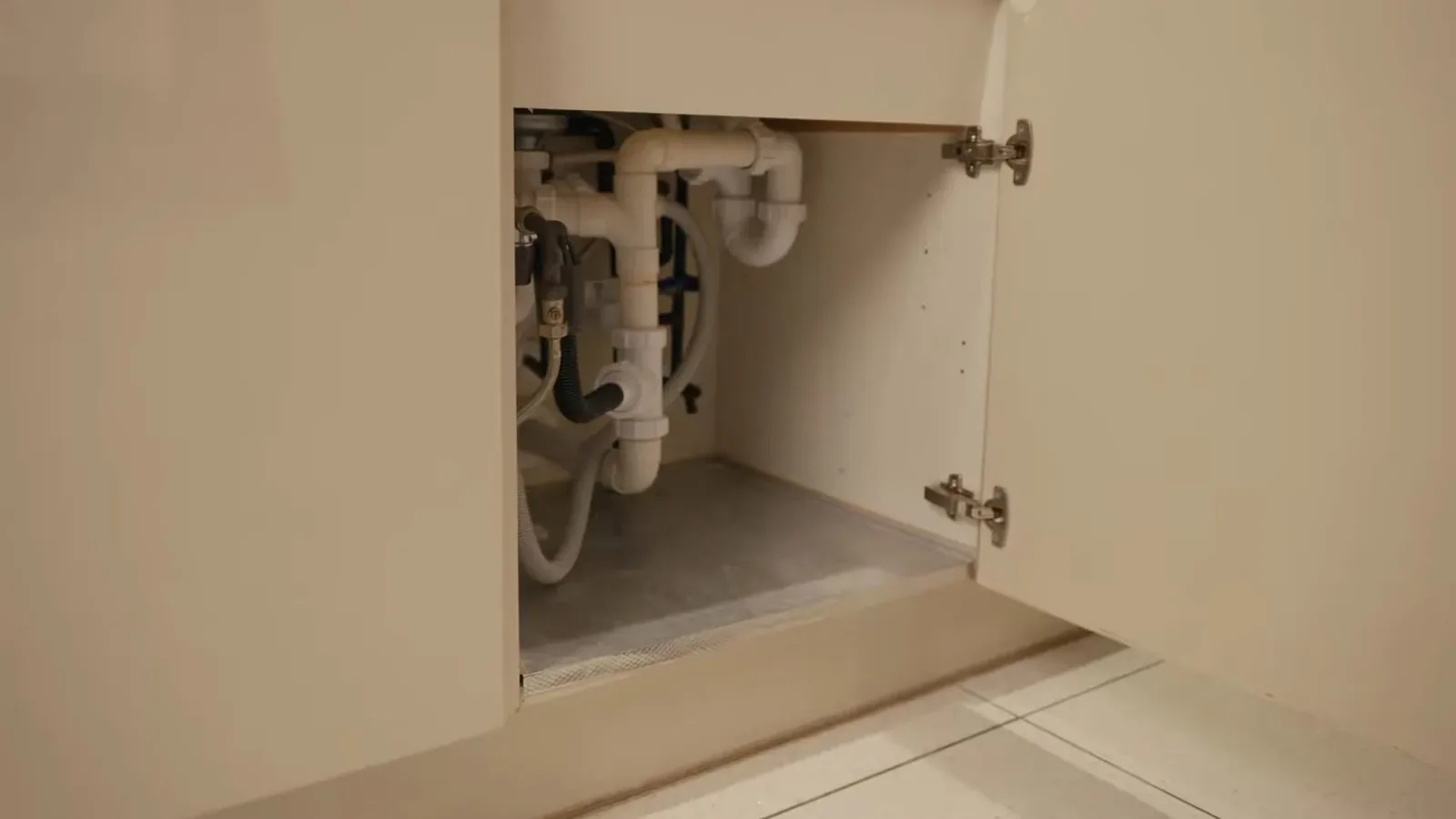
- Supply valves: a valve that drips at its stem or will not turn all the way is worth replacing.
- Faucet base: water pooling around the base points to a seal inside the faucet.
- Trap and drain: a drip at the slip nuts is often a loose or worn washer.
- Kitchen sink: a sprayer hose or a dishwasher connection can leak into the cabinet.
A kitchen sink that is slow to drain is a drain problem, not a fixture problem, and the drain cleaning page covers it.
Bathtub, shower valve and tub-to-shower work
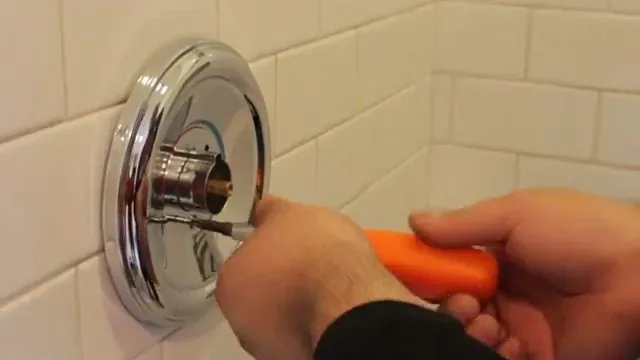
A shower that keeps dripping after it is turned off has a worn cartridge or valve seat. A tub spout that leaks from the diverter and a shower head that sputters are smaller repairs. A valve that is corroded or stuck behind a tiled wall means opening the wall.
Converting a tub to a shower, installing a new tub, or relocating the valve are specialty installs that touch drains, supply lines and the wall. Request a written scope that names who handles tile, backer board and waterproofing, since those are often separate trades.
Ask whether the shutoff valves for the tub and shower are accessible from behind the wall, in an adjoining closet or in the basement. If they are not, adding an access panel while the wall is open is far less work than opening tile later. Also ask about the drain, since an old tub drain can fail even when the faucet side is fine.
Shutoff valves, supply lines and outdoor faucets
Every fixture should have its own shutoff valve. A valve that does not close or that leaks is the first thing to replace, because it makes every other repair on that fixture harder.
- Angle stops under sinks and toilets: replace if stiff, corroded or dripping.
- Braided supply lines: replace when they kink or bulge, and when a fixture is swapped.
- Washing machine and ice maker connections: check hoses on a schedule.
- Outdoor faucet or hose bib: shut it off and drain it before a freeze, and replace it if it leaks inside the wall.
Safety: Close the supply valve before you take any fixture apart, and keep water and tools away from outlets near a sink or tub.
A frozen outdoor faucet can split inside the wall without any sign until it thaws, so close the interior shutoff to it when winter comes. The burst and frozen pipe page covers what to do after a split.
Appliance hookups, garbage disposals, bidets and other installs
Washer, dishwasher and ice maker hookups are fixture work too, each needing a shutoff, a hose and a drain connection. Specialty installs such as a laundry room sink, a wet bar, a bidet or an ADU bathroom start with a rough-in, which sets where pipes go before walls close.
A new garbage disposal is its own page. If you are remodeling, ask the plumber to rough in supply and drain lines at the same time, so the walls only open once.
Installing a dishwasher, a washer or an ice maker involves a shutoff valve, a supply line rated for the use and a drain with the right height and loop. A washer hose that bursts can flood a floor in minutes, so many plumbers recommend braided steel hoses and a shutoff that is easy to reach. Replace rubber hoses on a schedule.
Questions about faucet and toilet repair in Atlanta
Why does my toilet run on its own?
A flapper that does not seal, a worn fill valve or a chain that is too tight lets water refill the tank. Food coloring in the tank shows a leaking flapper.
Is a permit needed to swap a toilet or faucet?
In the City of Atlanta, replacing an existing kitchen or bathroom fixture in a house for one or two families is exempt. Moving a fixture or replacing piping is not. Other cities differ.
Can a leaking faucet be fixed or does it need replacing?
Often a cartridge or washer fixes it. A corroded body or a part that is no longer made points to replacement.
What is a supply valve and why does it matter?
The shutoff valve under a fixture lets you stop water to one fixture without closing the whole house. A valve that does not close is worth replacing.
When is a fixture problem really a drain problem?
A slow drain, gurgling or a backup is a drain issue even if it shows at a fixture.
Related fixture and drain pages
Disposals
See garbage disposal repair and replacement for the sink-side appliance.
Slow drains
Clogs are covered under drain cleaning.
Leaks
A fixture leak that keeps returning may be bigger: see the meter check.
Fixture leaking or not working in Atlanta? Call the dispatch line to reach a plumber serving your area.
CALL (770) 588-0011